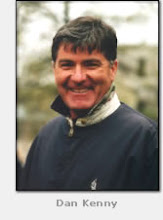
Wally Wood died recently in Toronto after a lengthy illness. A correspondent for many years at Daily Racing Form, Wally was a loyal friend for almost 40 years. He loved his work and it showed. He was one of the old breed of reporters who wore out their boots patrolling the barn areas of the world in search of a human interest story. His writings were always original and focused on the subject at hand.
You might see Wally backstage at Woodbine or Warren Hill or Chantilly or a Breeders’ Cup doggedly assembling the pertinent details of his next story.
We first met when I was sent to Toronto for some training at the Canadian headquarters of DRF. A year later I was sent from Vancouver by DRF to cover a veterinary convention in Montreal in the dead of winter. It was minus l5 degrees when I deplaned and I was shocked to see the presence of armed troops deployed throughout the city.
It was an eventful time when French-speaking separatists had murdered Labor minister Pierre Laporte, sparking a manhunt for his killers. The nation was stunned when Prime Minister Pierre Trudeau invoked the War Measures Act which suspended a number of civil rights while the government dealt with the situation.
Wally was the epitome of cool while events swirled around Montreal. He was determined to show me a good time in Quebec. We dined nightly in some out-of-the-way bistros that Wally knew and the occasional haute cuisine meal, all on Wally’s expense account. Then we would repair to the bar at our plush Queen Elizabeth Hotel where the AAEP vets congregated. Wally would scribble some notes for his reportage and I did the same.
Montreal mayor Jean Drapeau put on a gastronomic shindig for the conventioneers at an old castle turned restaurant on an island in the middle of the St. Lawrence River. There I was confronted by high life that I had never before encountered in my callow youth. As I recall, there were four wine glasses of different size and shape and silverware galore at our place setting. I could hardly even figure out which knife to eat the peas with.
Wally discreetly showed me the ropes and I managed not to give away my bumpkin resume.
We stayed in touch over the years and met up again at the inaugural Breeders’ Cup at Hollywood Park. Wally was kind enough to write a glowing review of my various television ventures.
He invited me to join him on his annual tour to the Arc de Triomphe every October at Longchamp. My job of was to pick winners for the tour goers, many of whom were regular customers of Wally’s.
Canterbury was our first stop and we took in racing at Lingfield where I recommended an l8-to-l shot trained by Clive Brittain. That horse walked his beat and provided the ammunition we needed to back Cash Asmussen and Suave Dancer in the big race in Paris.
Wally had arranged a tour of the Criquette Head yard in Chantilly where we walked the forest path with a set of 45 horses. Criquette touted us on Hatoof who missed by a nose in a Group One race by a nose . Her father Alec, considered by many as the greatest owner-breeder-trainer of his time, rode out with the set and we conversed all the way out and back. It was learning at the feet of the master and I cherish the memory.
Wally lived an active live yet still found time to raise three lovely and talented daughters as a single parent.
Mar 24, 2009
Mar 10, 2009
Fasig-Tipton company has been in the news lately after its well received first auction since being taken over by Dubai investors.It made me think about Peter Lovemore was an international star when it came to selling at auction. It might be horses or it might be tobacco; it might be Sydney or Kildare. We became friends during his stint in Los Angeles for Fasig-Tipton in the early 1980s.
Jerry McMahon ran the show during the brief California tenure of Fasig-Tipton before founding the highly successful Barretts Sale. Peter and I were hired to work the first sale the company offered at the Earl Warren Showgrounds in Santa Barbara. We toiled alongside F-T senior auctioneer Laddie Dance.
I had my eye on a mare in the sale and I asked Laddie if I might sit out reading the pedigree on the horse I wished to buy.
"Well, I wouldn't let you if this was Saratoga," he said. "But this isn't Saratoga so go ahead."
Peter covered me from the stand while I doffed my Fasig-Tipton blazer and made a winning bid of $l2,000 to secure a mare named Reserve Account. She had aleady produced a $361,000 stakes-winner named Sanger Chief who was capable of sprinting in 1.08 for six furlongs. The foal she was carrying was a full-sister to Sanger Chief and that filly became Canadian Mischief, the first stakes-winner bred under my name when she won the Longacres Lassie, one of many reasons that I loved the now defunct Seattle track. Two victories in the Longaces Derby later on only made for more affectionate memories.
Peter almost succeeded in arranging a tour of his homeland of Zimbabwe. The country was the pride of Africa in those days, not the national disaster that it became under the rule of Robert Mugabe.
Peter returned to Zimbabwe to marry and establish his business. He got to know Mrs. Mugabe who had an interest in racing. Peter had told her that I had recently toured Russia and wrote articles about its racing history for publications back home.
Through Peter,Mrs. Mugabe issued an invitation to do the same for Zimbabwe. Mrs. Mugabe was a declared Marxist and I hesitated having witnessed first hand the police state that was the USSR in 1985. Perhaps she thought me one of Lenin's "useful idiots' that could be put to use espousing her cause. At any rate, I declined, more because of a divorce that left me a single parent than any ideological resistance. Years later I wish that I had gone to experience that culture while it was thriving.
Meanwhile Peter finally pulled up stakes and moved to Capetown after finally giving up on the lawless Mugabe government.
Jerry McMahon ran the show during the brief California tenure of Fasig-Tipton before founding the highly successful Barretts Sale. Peter and I were hired to work the first sale the company offered at the Earl Warren Showgrounds in Santa Barbara. We toiled alongside F-T senior auctioneer Laddie Dance.
I had my eye on a mare in the sale and I asked Laddie if I might sit out reading the pedigree on the horse I wished to buy.
"Well, I wouldn't let you if this was Saratoga," he said. "But this isn't Saratoga so go ahead."
Peter covered me from the stand while I doffed my Fasig-Tipton blazer and made a winning bid of $l2,000 to secure a mare named Reserve Account. She had aleady produced a $361,000 stakes-winner named Sanger Chief who was capable of sprinting in 1.08 for six furlongs. The foal she was carrying was a full-sister to Sanger Chief and that filly became Canadian Mischief, the first stakes-winner bred under my name when she won the Longacres Lassie, one of many reasons that I loved the now defunct Seattle track. Two victories in the Longaces Derby later on only made for more affectionate memories.
Peter almost succeeded in arranging a tour of his homeland of Zimbabwe. The country was the pride of Africa in those days, not the national disaster that it became under the rule of Robert Mugabe.
Peter returned to Zimbabwe to marry and establish his business. He got to know Mrs. Mugabe who had an interest in racing. Peter had told her that I had recently toured Russia and wrote articles about its racing history for publications back home.
Through Peter,Mrs. Mugabe issued an invitation to do the same for Zimbabwe. Mrs. Mugabe was a declared Marxist and I hesitated having witnessed first hand the police state that was the USSR in 1985. Perhaps she thought me one of Lenin's "useful idiots' that could be put to use espousing her cause. At any rate, I declined, more because of a divorce that left me a single parent than any ideological resistance. Years later I wish that I had gone to experience that culture while it was thriving.
Meanwhile Peter finally pulled up stakes and moved to Capetown after finally giving up on the lawless Mugabe government.


Mar 8, 2009
TICK TOCK, TICK TOCK
The recent controversy over fractional times at Gulfstream Park can be solved simply by changing the way races are timed. Thoroughbred race would benefit from adopting the way races are timed by their Quarter Horse brethren, from the gate opening to the finish line.
Serious handicappers have had to struggle to find out what the “run-up distance” is at various tracks, at different distances. For instance, a race which starts when the gate is 40 feet from the timer “beam” will likely have a faster first quarter than a race where the gate is 25 feet from the beam because he has had more time and space to generate speed before tripping the timer.
Now, more than ever, this is important because most of the money is bet offtrack which denies players the knowledge of how far away the gate is set.
The simple solution is to time races from gate to wire, with no run to the pole.. They should also be timed to one-hundredth of a second rather than the customary one-fifth. This information might not mean much to the $2 bettor but it makes quite a difference to the serious player.
The industry ought to declare that these changes will be made on January1, 2010.
Any policy which can be fruitful and inexpensive ought to be adopted by the entire industry if it provides information useful to its customers.
I learned these fine points from a true handicapping master many years ago. Buddy Abadie died in 2002 and we wrote a eulogy in honor of this remarkable man.
It seems appropriate now to offer a re-write of that homage.
“A guy ought to have a bet everyday. Otherwise, he might be walking around lucky and not know it.” Frank “Buddy” Abadie, 1921-2002.
To know Buddy Abadie as a friend was the definition of walking around lucky. He died in his native New Orleans after enjoying one of the most colorful careers imaginable in this business.
Buddy didn’t start out lucky. He was a grade school drop-out during the Great Depression who occasionally helped his widowed mother feed five kids by pinching produce in the French Quarter’s open markets. By age 12 he was galloping horses at Fair Grounds. New Orleans was a wide open gambling town in those days and Buddy soon graduated to setting the morning line for a bookmaker before he was old enough to shave.
In a town full of sharpies (like a tree full of owls he liked to say) Buddy was the best. He served in the US Army during World War II and returned to New Orleans with a bankroll after organizing poker and dice games during the occupation of Germany. There was a bit of Sgt. Bilko in the man.
He married
his hometown sweetheart Gloria and set out to take on the Thoroughbred world once again. He began a quest for a set of speed figures that would make him a steady winner. He endured the gambler’s vicissitudes until the day in Boston when he met an engineer from MIT. Buddy paid this fellow a year’s winnings to come up with numerical tables to correlate weight and speed and a track variant. He even added a table for estimated wind velocity and direction.
“That changed my life,” Buddy said. “I knew I could win steadily with the proper math.”
I first met Buddy in the twilight of his career when I wrote an article about a legendary handicapper who was coming in from the colt. His long-time patron Jack DeFee, a one-time national HBPA president, had arranged for Buddy to head the newly formed Louisiana Thoroughbred Breeders office at Fair Grounds. Soon Buddy began to mentor me on the “proper math”.
No handicapper was more meticulous. He timed the races from the gate to the wire (ignoring the flag fall that started the teletimer) with a hundredth second stop watch. With the program in his left hand and a pencil in the right, he balanced binoculars on his nose and could write notes during a race. Before the instant replay you only got one look and Buddy never missed a thing, a dropped whip, a limp, a trace of blood…all grist for the mill in the hunt for a future winner.
Buddy’s first hot streak came at Delaware Park soon after the war. He was betting a steady stream of winners. One evening there was a knock on his motel room door. A couple of hoods announced that “the boss” wanted to see him and they hustled him into a car. “The Boss” told him that he wanted in on Buddy’s action.
“You must have some pretty good connections,” he said. “Nobody cashes like we see you cash.”
Buddy told the goons that he was a solo act and worked at his craft day and night. He offered to show them how he operated if they’d take him back to the motel. There they saw a virtual monk’s cell with a two-year stack of Daily Racing Forms taking up every square inch.
“You mean you’re on the level, kid” said The Boss. “I ain’t interested”.
Chicago tracks were his favorites and he doubled as stable agent for DeFee and Louisiana owner Oscar Tolmas. Soon he had an active following at Arlington Park. Buddy was a private man when it came to business and no one sat with him unless invited into the box. There was a well known comedian who loved to play the races and he asked a friend to intercede with Buddy to let him in the box one day.Buddy said OK but the guy needs to mind his manners. There’s a sizeable bet down on a race and Buddy’s horse gets trapped along the rail and gets pipped at 8-1 by the odds-on favorite. “If I don’t see you I bet the winner,” the comedian tells Buddy.
They say it took four strong men to pry Buddy’s fingers from the comic’s neck.
He bought New Orleans rental property during his salad days and found new joy working a more leisurely pace without the daily pressure of betting winners. But he still made his figures everyday and he was keen to share his knowledge. He tried to convince his only child Gwen to become a handicapper. She demurred and went on to become a successful entrepreneur instead.
Then I showed up, thirsty for the kind of stuff he had to teach. I wrote the racing beat for a newspaper and clocked in the morning with another legend, Frenchy Schwartz. Immediately after the work tab was compiled I would hustle to Buddy’s office trainer for another lesson.
He explained that you timed the races yourself because the timer was not perfect and sometimes malfunctioned. It’s a major edge if you’re the only guy in the grandstand with the proper time.
Wind? “In a game where inches decide fortunes why not know everything you can know.”
He had charts of the different positions at every track he attended. The run-up distance is a crucial in judging actual time. His weight figures demonstrated that 4.4 pounds was worth a length at a mile. It took 6.6 pounds to equal a length at six furlongs.
After a few years of this he granted me the great gift of a copy of all his tables. “Take it and see what you can do with it.”
I wanted to know how he could spot a sore horse in the post parade. “You don’t look like a dope,” he’d say. “After you watch about 10,000 post parades you’ll see it , too.” His math was right about that, too.
A decade later I called him from Canada after authoring a Pick-Six which paid a record six-figure sum up to that time. “You make me proud,” he said. I wept, knowing I could never have gotten to that place without him.
Buddy said that Damascus had the highest numbers he ever recorded. “It’s a funny thing that I’m working for a breeders organization,” he once said. “Because I think these numbers would have great value in evaluating breeding stock.”
Years ago there were fewer ways to bet at most tracks. Jefferson Downs, in a New Orleans suburb, offered an exotic “Twin Double” which involved hitting a daily double twice in a row. Buddy said it was like taking candy from a baby.
Buddy loved people and the line up in front of his office on race day resembled a papal audience. He was also a master of the intentional stiff, providing bogus numbers to an unworthy supplicant. “Won’t see him no more,” he’s say after a few days.
He had a way with everyone from a hotwalker to high-ranking politicians. “Buddy was part of the foundation of the modern industry in Louisiana.” said Fair Grounds president Bryan Krantz. “He was at the table for all the major decisions that enabled us to grow. He’d represent the breeders but everyone knew him, everyone loved him, and everyone trusted him.”
He was named a state steward and served with distinction until his health began to fail. He always took an active interest in young people and was a bug supporter of trainers Tom Amoss, Frank Brothers, Bill Mott, Al Stall and others.
Late in life Buddy went from picking winners to helping losers. He helped rehabilitate some of the most intractable racetrack characters that you could imagine. He would personally escort them to a Catholic retreat house where they would ponder the error of their ways.
Serious handicappers have had to struggle to find out what the “run-up distance” is at various tracks, at different distances. For instance, a race which starts when the gate is 40 feet from the timer “beam” will likely have a faster first quarter than a race where the gate is 25 feet from the beam because he has had more time and space to generate speed before tripping the timer.
Now, more than ever, this is important because most of the money is bet offtrack which denies players the knowledge of how far away the gate is set.
The simple solution is to time races from gate to wire, with no run to the pole.. They should also be timed to one-hundredth of a second rather than the customary one-fifth. This information might not mean much to the $2 bettor but it makes quite a difference to the serious player.
The industry ought to declare that these changes will be made on January1, 2010.
Any policy which can be fruitful and inexpensive ought to be adopted by the entire industry if it provides information useful to its customers.
I learned these fine points from a true handicapping master many years ago. Buddy Abadie died in 2002 and we wrote a eulogy in honor of this remarkable man.
It seems appropriate now to offer a re-write of that homage.
“A guy ought to have a bet everyday. Otherwise, he might be walking around lucky and not know it.” Frank “Buddy” Abadie, 1921-2002.
To know Buddy Abadie as a friend was the definition of walking around lucky. He died in his native New Orleans after enjoying one of the most colorful careers imaginable in this business.
Buddy didn’t start out lucky. He was a grade school drop-out during the Great Depression who occasionally helped his widowed mother feed five kids by pinching produce in the French Quarter’s open markets. By age 12 he was galloping horses at Fair Grounds. New Orleans was a wide open gambling town in those days and Buddy soon graduated to setting the morning line for a bookmaker before he was old enough to shave.
In a town full of sharpies (like a tree full of owls he liked to say) Buddy was the best. He served in the US Army during World War II and returned to New Orleans with a bankroll after organizing poker and dice games during the occupation of Germany. There was a bit of Sgt. Bilko in the man.
He married
his hometown sweetheart Gloria and set out to take on the Thoroughbred world once again. He began a quest for a set of speed figures that would make him a steady winner. He endured the gambler’s vicissitudes until the day in Boston when he met an engineer from MIT. Buddy paid this fellow a year’s winnings to come up with numerical tables to correlate weight and speed and a track variant. He even added a table for estimated wind velocity and direction.
“That changed my life,” Buddy said. “I knew I could win steadily with the proper math.”
I first met Buddy in the twilight of his career when I wrote an article about a legendary handicapper who was coming in from the colt. His long-time patron Jack DeFee, a one-time national HBPA president, had arranged for Buddy to head the newly formed Louisiana Thoroughbred Breeders office at Fair Grounds. Soon Buddy began to mentor me on the “proper math”.
No handicapper was more meticulous. He timed the races from the gate to the wire (ignoring the flag fall that started the teletimer) with a hundredth second stop watch. With the program in his left hand and a pencil in the right, he balanced binoculars on his nose and could write notes during a race. Before the instant replay you only got one look and Buddy never missed a thing, a dropped whip, a limp, a trace of blood…all grist for the mill in the hunt for a future winner.
Buddy’s first hot streak came at Delaware Park soon after the war. He was betting a steady stream of winners. One evening there was a knock on his motel room door. A couple of hoods announced that “the boss” wanted to see him and they hustled him into a car. “The Boss” told him that he wanted in on Buddy’s action.
“You must have some pretty good connections,” he said. “Nobody cashes like we see you cash.”
Buddy told the goons that he was a solo act and worked at his craft day and night. He offered to show them how he operated if they’d take him back to the motel. There they saw a virtual monk’s cell with a two-year stack of Daily Racing Forms taking up every square inch.
“You mean you’re on the level, kid” said The Boss. “I ain’t interested”.
Chicago tracks were his favorites and he doubled as stable agent for DeFee and Louisiana owner Oscar Tolmas. Soon he had an active following at Arlington Park. Buddy was a private man when it came to business and no one sat with him unless invited into the box. There was a well known comedian who loved to play the races and he asked a friend to intercede with Buddy to let him in the box one day.Buddy said OK but the guy needs to mind his manners. There’s a sizeable bet down on a race and Buddy’s horse gets trapped along the rail and gets pipped at 8-1 by the odds-on favorite. “If I don’t see you I bet the winner,” the comedian tells Buddy.
They say it took four strong men to pry Buddy’s fingers from the comic’s neck.
He bought New Orleans rental property during his salad days and found new joy working a more leisurely pace without the daily pressure of betting winners. But he still made his figures everyday and he was keen to share his knowledge. He tried to convince his only child Gwen to become a handicapper. She demurred and went on to become a successful entrepreneur instead.
Then I showed up, thirsty for the kind of stuff he had to teach. I wrote the racing beat for a newspaper and clocked in the morning with another legend, Frenchy Schwartz. Immediately after the work tab was compiled I would hustle to Buddy’s office trainer for another lesson.
He explained that you timed the races yourself because the timer was not perfect and sometimes malfunctioned. It’s a major edge if you’re the only guy in the grandstand with the proper time.
Wind? “In a game where inches decide fortunes why not know everything you can know.”
He had charts of the different positions at every track he attended. The run-up distance is a crucial in judging actual time. His weight figures demonstrated that 4.4 pounds was worth a length at a mile. It took 6.6 pounds to equal a length at six furlongs.
After a few years of this he granted me the great gift of a copy of all his tables. “Take it and see what you can do with it.”
I wanted to know how he could spot a sore horse in the post parade. “You don’t look like a dope,” he’d say. “After you watch about 10,000 post parades you’ll see it , too.” His math was right about that, too.
A decade later I called him from Canada after authoring a Pick-Six which paid a record six-figure sum up to that time. “You make me proud,” he said. I wept, knowing I could never have gotten to that place without him.
Buddy said that Damascus had the highest numbers he ever recorded. “It’s a funny thing that I’m working for a breeders organization,” he once said. “Because I think these numbers would have great value in evaluating breeding stock.”
Years ago there were fewer ways to bet at most tracks. Jefferson Downs, in a New Orleans suburb, offered an exotic “Twin Double” which involved hitting a daily double twice in a row. Buddy said it was like taking candy from a baby.
Buddy loved people and the line up in front of his office on race day resembled a papal audience. He was also a master of the intentional stiff, providing bogus numbers to an unworthy supplicant. “Won’t see him no more,” he’s say after a few days.
He had a way with everyone from a hotwalker to high-ranking politicians. “Buddy was part of the foundation of the modern industry in Louisiana.” said Fair Grounds president Bryan Krantz. “He was at the table for all the major decisions that enabled us to grow. He’d represent the breeders but everyone knew him, everyone loved him, and everyone trusted him.”
He was named a state steward and served with distinction until his health began to fail. He always took an active interest in young people and was a bug supporter of trainers Tom Amoss, Frank Brothers, Bill Mott, Al Stall and others.
Late in life Buddy went from picking winners to helping losers. He helped rehabilitate some of the most intractable racetrack characters that you could imagine. He would personally escort them to a Catholic retreat house where they would ponder the error of their ways.
Feb 24, 2009
LUHUK-ED
Our last posting discussed some successes we had in making breeding recommendations.
It will not surprise you to learn that we take our lumps, too, just like everybody else in this wacky enterprise.
My infatuation with Luhuk began when I was in Argentina. The purpose of the trip was to purchase a pretty nice filly named Flager. While visiting La Quebrada stud we were shown two dozen yearlings by Luhuk (by Forty Niner) and every one looked the part of a runner. In addition, Luhuk had a tremendous strike rate when bred to mares by Southern Halo, who also stood at La Quebrada.
I spread the word to my clients upon my return and four or five of us sent mares to Luhuk when he arrived at Gainesway. None of us did much good with Luhuk except J.C. Davis, a client who had been raising some nice horses in Henderson, KY. We persuaded him to send his Southern Halo mare Dance Alexa to Luhuk in pursuit of the obvious.
The resultant filly was well made but quite small and she brought but $l2,000 at Keeneland. This turn of events was a burr under the saddle of her owner and he showed us his heels on the way out the door, vowing that he was out to find greener pastures.
Naturally, the Luhuk filly in question goes on to win a stakes at Santa Anita recently, racing under the name Mission Viejo Halo. In the great poker movie "The Cincinnati Kid", Edward G. Robinson busts out "The Kid" when he draws to an improbable hand and tells an incredulous Steve McQueen that "sometimes, kid, you have to be right for the wrong reason". The rest of us threw snake eyes.
I guess we were wrong for the right reason in this case.
With that confessional out of the way, let's resume patting ourself on the back.
Some "nicks" are slam dunks, such as Bold Ruckus and anything with Nearctic or Vice Regent blood. Canada is saturated with this blood and pairing them up seemed the only way to go for two decades.
Thus it was automatic to send Ruby Park (Bold Ruckus) to Silver Deputy. We had bought Ruby Park as a Keeneland yearling and she distinguished herself as a SW of $287,000. Her first foal by Silver Deputy is named Lucas Street and her earnings are $300,000 plus.
Archers Bay was the best son of Silver Deputy. I was assigned to recruit mares for his first book. First order of business was to round up as many Bold Ruckus mares as I could find. Got the right ones, too, and Archers Bay was off to a great start at stud. His untimely death the following year was a devastating blow to Canadian racing and breeding. He sired 8% stakes-winners and had an Average Earnings Index of 2.04 against a Comparable Index of 1.36. Those numbers indicate total domination of his region.
It will not surprise you to learn that we take our lumps, too, just like everybody else in this wacky enterprise.
My infatuation with Luhuk began when I was in Argentina. The purpose of the trip was to purchase a pretty nice filly named Flager. While visiting La Quebrada stud we were shown two dozen yearlings by Luhuk (by Forty Niner) and every one looked the part of a runner. In addition, Luhuk had a tremendous strike rate when bred to mares by Southern Halo, who also stood at La Quebrada.
I spread the word to my clients upon my return and four or five of us sent mares to Luhuk when he arrived at Gainesway. None of us did much good with Luhuk except J.C. Davis, a client who had been raising some nice horses in Henderson, KY. We persuaded him to send his Southern Halo mare Dance Alexa to Luhuk in pursuit of the obvious.
The resultant filly was well made but quite small and she brought but $l2,000 at Keeneland. This turn of events was a burr under the saddle of her owner and he showed us his heels on the way out the door, vowing that he was out to find greener pastures.
Naturally, the Luhuk filly in question goes on to win a stakes at Santa Anita recently, racing under the name Mission Viejo Halo. In the great poker movie "The Cincinnati Kid", Edward G. Robinson busts out "The Kid" when he draws to an improbable hand and tells an incredulous Steve McQueen that "sometimes, kid, you have to be right for the wrong reason". The rest of us threw snake eyes.
I guess we were wrong for the right reason in this case.
With that confessional out of the way, let's resume patting ourself on the back.
Some "nicks" are slam dunks, such as Bold Ruckus and anything with Nearctic or Vice Regent blood. Canada is saturated with this blood and pairing them up seemed the only way to go for two decades.
Thus it was automatic to send Ruby Park (Bold Ruckus) to Silver Deputy. We had bought Ruby Park as a Keeneland yearling and she distinguished herself as a SW of $287,000. Her first foal by Silver Deputy is named Lucas Street and her earnings are $300,000 plus.
Archers Bay was the best son of Silver Deputy. I was assigned to recruit mares for his first book. First order of business was to round up as many Bold Ruckus mares as I could find. Got the right ones, too, and Archers Bay was off to a great start at stud. His untimely death the following year was a devastating blow to Canadian racing and breeding. He sired 8% stakes-winners and had an Average Earnings Index of 2.04 against a Comparable Index of 1.36. Those numbers indicate total domination of his region.
Feb 12, 2009
AHOY, MATES!
Alfred Vanderbilt got Native Dancer the first time he bred his mare Geisha to his stallion Polynesian. He made that same mating five more times and never got another that could outrun the proverbial Fat Man.
He later quipped that he was honored as a breeder while Native Dancer performed but held as a lesser genius when the siblings bombed.
Fred Hooper once told me that he was inclined not to go back to the same stallion with a mare who had produced a stakes-winner by that horse. He reasoned that he got what he came for in that mating and, statistically speaking at least, he was unlikely to get another.
Vanderbilt and Hooper were intelligent men with the financial resources to try just about anything they liked. Their divergent attitudes provided food for thought when I began to study pedigrees more intensely.
Right off the bat I got lucky. I purchased a stakes-winning mare for John Franks named Sophisticated Sam. She was stout, somethat coarse and masculine in appearance. She also had a pair of “ankles” that enabled me to see off other bidders and get her for a paltry $42,000. The ankles did not bother me. In fact, they were a plus in my mind. The best thing about a mare is not soundness, per se. Rather it is the ability to run in high level races in pain. A horse with courage and talent trumps a sound yet timid one almost every time.
I sought out Cure The Blues for her. My notes to Mr. Franks were:
“SOPHISTICATED SAM…The piece de resistance if bred to Cure The Blues. You can practically hear the tumblers clicking to open the vault. Fits Turn-to, Dr. Fager, Imperatrice, Tom Fool, Blue Larkspur like hand in glove. Highly recommended.”
It was an interesting physical match, too. Cure The Blues was
a bit small and light of bone, a good complement to the mare.
The resultant foal, named Sophisticated Man, won over a half-million dollars.
California breeder Gary Garber phoned one day and asked me to suggest a mate for his mare Olay Monique. She was a Washington-bred by a son of Mill Reef named Drouilly. Gary knew that I was familiar with pedigrees in the Northwest. I recommended Northern Dancer’s son Magesterial and bought a $5,000 season for her. That foal went on to place in the Kentucky Oaks and later she produced Strub Stakes winner Domestic Dispute.
If memory serves, it was a play on Never Bend that led to my recommendation. That one gave me confidence that common sense goes a long way in making matings.
That was the case with Cherry Moon. I was able to buy this stakes-winning daughter of Quiet American for a modest price in California for my own account. She was somewhat on the small side which caused others to pass but she figured to be that way as a daughter of the slender Quiet American and a mare by an In Reality line mare. The Fappiano/In Reality combination was starting to show powerful results by then. I expected substantial interest when I brought her to sell at Keeneland. But that was not the case so I began to hustle. I spied French agent Eric Puerari and suggested he have a look at her as a potential outcross for his employer’s stallion Linamix who was taking European breeders by surprise right then.
Eric liked her, he bought her and he bred her to Linamix. That foal was Cherry Mix who ran second in the Arc, going under in the last stride to the favorite Bago. I was in attendance at Longchamps that afternoon, having hitched a ride with British jockey Darryl Holland on his chartered plane from Newmarket. You can imagine the thrill having played a part in such a storied classic.
Another Franks Farm mare was Slide Out Front, a hard-knocking stakes mare by the obscure Silent Review. Her pedigree was thin and one had to dig deep to find a pattern.
I recommended the home stallion Eskimo (Northern Dancer).
“ESKIMO: Brings Better Self x 2 and Northern Dancer to mare w/Noholme, Nasrullah, Princequillo. Worked wonders for Sky Classic and Regal Classic.
Note that Dr. Fager’s obscure brother Highbinder produced dam of $871,000 SW Skip Out Front.”
That mating produced Grade 2 millionaire Silent Eskimo.
The breeding season officially gets underway this week. We will offer up more case histories in the weeks to come.
He later quipped that he was honored as a breeder while Native Dancer performed but held as a lesser genius when the siblings bombed.
Fred Hooper once told me that he was inclined not to go back to the same stallion with a mare who had produced a stakes-winner by that horse. He reasoned that he got what he came for in that mating and, statistically speaking at least, he was unlikely to get another.
Vanderbilt and Hooper were intelligent men with the financial resources to try just about anything they liked. Their divergent attitudes provided food for thought when I began to study pedigrees more intensely.
Right off the bat I got lucky. I purchased a stakes-winning mare for John Franks named Sophisticated Sam. She was stout, somethat coarse and masculine in appearance. She also had a pair of “ankles” that enabled me to see off other bidders and get her for a paltry $42,000. The ankles did not bother me. In fact, they were a plus in my mind. The best thing about a mare is not soundness, per se. Rather it is the ability to run in high level races in pain. A horse with courage and talent trumps a sound yet timid one almost every time.
I sought out Cure The Blues for her. My notes to Mr. Franks were:
“SOPHISTICATED SAM…The piece de resistance if bred to Cure The Blues. You can practically hear the tumblers clicking to open the vault. Fits Turn-to, Dr. Fager, Imperatrice, Tom Fool, Blue Larkspur like hand in glove. Highly recommended.”
It was an interesting physical match, too. Cure The Blues was
a bit small and light of bone, a good complement to the mare.
The resultant foal, named Sophisticated Man, won over a half-million dollars.
California breeder Gary Garber phoned one day and asked me to suggest a mate for his mare Olay Monique. She was a Washington-bred by a son of Mill Reef named Drouilly. Gary knew that I was familiar with pedigrees in the Northwest. I recommended Northern Dancer’s son Magesterial and bought a $5,000 season for her. That foal went on to place in the Kentucky Oaks and later she produced Strub Stakes winner Domestic Dispute.
If memory serves, it was a play on Never Bend that led to my recommendation. That one gave me confidence that common sense goes a long way in making matings.
That was the case with Cherry Moon. I was able to buy this stakes-winning daughter of Quiet American for a modest price in California for my own account. She was somewhat on the small side which caused others to pass but she figured to be that way as a daughter of the slender Quiet American and a mare by an In Reality line mare. The Fappiano/In Reality combination was starting to show powerful results by then. I expected substantial interest when I brought her to sell at Keeneland. But that was not the case so I began to hustle. I spied French agent Eric Puerari and suggested he have a look at her as a potential outcross for his employer’s stallion Linamix who was taking European breeders by surprise right then.
Eric liked her, he bought her and he bred her to Linamix. That foal was Cherry Mix who ran second in the Arc, going under in the last stride to the favorite Bago. I was in attendance at Longchamps that afternoon, having hitched a ride with British jockey Darryl Holland on his chartered plane from Newmarket. You can imagine the thrill having played a part in such a storied classic.
Another Franks Farm mare was Slide Out Front, a hard-knocking stakes mare by the obscure Silent Review. Her pedigree was thin and one had to dig deep to find a pattern.
I recommended the home stallion Eskimo (Northern Dancer).
“ESKIMO: Brings Better Self x 2 and Northern Dancer to mare w/Noholme, Nasrullah, Princequillo. Worked wonders for Sky Classic and Regal Classic.
Note that Dr. Fager’s obscure brother Highbinder produced dam of $871,000 SW Skip Out Front.”
That mating produced Grade 2 millionaire Silent Eskimo.
The breeding season officially gets underway this week. We will offer up more case histories in the weeks to come.
Feb 10, 2009
FLIGHT RISK
Birds colliding with aircraft happens maybe more than you might think. A British pilot for Cathay Pacific once told me that he was flying a 747 from Hong Kong to Saigon when a large goose flew into the windshield at 30,000 feet, killing the co-pilot instantly. He had to bring in the de-pressurized aircraft to land in wartime Saigon.
Years ago I managed the Daily Racing Form office in Vancouver. In the fall, the thoroughbred caravan in Western Canada shifted to tiny Sandown Park on the east shore of Vancouver Island.
Racing was conducted on Friday and Saturday afternoons. My job was to make sure that the Saturday edition arrived at the track well before the close of racing, so that punters could buy it on the way out To accomplish this I booked a seaplane and hitched a ride along with the papers to spend the weekend on the island.
We departed from a dock directly behind the plush Bayshore Hotel (Howard Hughes was holed up on the top floor at the time). The plane gunned its way through ocean-going traffic in Burrard Inlet, climbed over the majestic Lions' Gate Bridge and took us on a magic carpet ride above the numerous Gulf and San Juan Islands that formed borders between Canada and the State of Washington. It was a great time to be alive!
The racing wasn't much on class but long on laughs. Alberta horsemen quit punching cows long enough to show up for the 15-day meet, as did Klondike sourdoughs, and hustlers of every stripe. One city slicker from Vancouver even felt brave enough to run a ringer one day (she ran second) and berated us on the ferry boat home that we were all so dumb we never knew he had run one under an assumed name. Unsurprisingly, the Mounties were waiting for him when we docked and hauled him off to the hoosegow.
Next time the horse ran the handicapper for the Vancouver Sun deadpanned that the horse in question "wasn't herself last time out". If memory serves, the miscreant dodged the rap. Back then what happened at Sandown stayed at Sandown, I guess.
One Friday afternoon I picked seven straight winners on a tip sheet that I published. I doubled the order at the print shop for the Saturday card, sure that the fans would be lined up waiting for me. As luck would have it, six inches of snow fell overnight, a rare November sight for an island warmed by the Japanese Current. Maybe 50 people showed up at the races.
Cowardly Lion didn't care about snow. The gelding won six straight races during the abbreviated stand, a rare burst of success for his owner-trainer Jock Iaci. Jock's family owned a popular eatery in downtown Vancouver which permitted him to dabble in the horse game. There was a strip club across the street and what passed for hoods in those days congregated there when they weren't chowing down with Mama Iaci and her family.. The idea of winning six races in a row would never occur to these boys--they would never have turned him loose that many times.
The season had ended when I picked up the paper one day and read of a fatal crash by a float plane while flying salmon fishermen up to Campbell River on the Island. Our young pilot from Sandown had been killed when an eagle with a six-foot wingspan took down the aircraft.
Years ago I managed the Daily Racing Form office in Vancouver. In the fall, the thoroughbred caravan in Western Canada shifted to tiny Sandown Park on the east shore of Vancouver Island.
Racing was conducted on Friday and Saturday afternoons. My job was to make sure that the Saturday edition arrived at the track well before the close of racing, so that punters could buy it on the way out To accomplish this I booked a seaplane and hitched a ride along with the papers to spend the weekend on the island.
We departed from a dock directly behind the plush Bayshore Hotel (Howard Hughes was holed up on the top floor at the time). The plane gunned its way through ocean-going traffic in Burrard Inlet, climbed over the majestic Lions' Gate Bridge and took us on a magic carpet ride above the numerous Gulf and San Juan Islands that formed borders between Canada and the State of Washington. It was a great time to be alive!
The racing wasn't much on class but long on laughs. Alberta horsemen quit punching cows long enough to show up for the 15-day meet, as did Klondike sourdoughs, and hustlers of every stripe. One city slicker from Vancouver even felt brave enough to run a ringer one day (she ran second) and berated us on the ferry boat home that we were all so dumb we never knew he had run one under an assumed name. Unsurprisingly, the Mounties were waiting for him when we docked and hauled him off to the hoosegow.
Next time the horse ran the handicapper for the Vancouver Sun deadpanned that the horse in question "wasn't herself last time out". If memory serves, the miscreant dodged the rap. Back then what happened at Sandown stayed at Sandown, I guess.
One Friday afternoon I picked seven straight winners on a tip sheet that I published. I doubled the order at the print shop for the Saturday card, sure that the fans would be lined up waiting for me. As luck would have it, six inches of snow fell overnight, a rare November sight for an island warmed by the Japanese Current. Maybe 50 people showed up at the races.
Cowardly Lion didn't care about snow. The gelding won six straight races during the abbreviated stand, a rare burst of success for his owner-trainer Jock Iaci. Jock's family owned a popular eatery in downtown Vancouver which permitted him to dabble in the horse game. There was a strip club across the street and what passed for hoods in those days congregated there when they weren't chowing down with Mama Iaci and her family.. The idea of winning six races in a row would never occur to these boys--they would never have turned him loose that many times.
The season had ended when I picked up the paper one day and read of a fatal crash by a float plane while flying salmon fishermen up to Campbell River on the Island. Our young pilot from Sandown had been killed when an eagle with a six-foot wingspan took down the aircraft.
Jan 28, 2009
THIS IS KID STUFF
The 2-year-olds in training step onto the stage amidst the fear and trembling of all markets globally. We are not immune in the Thoroughbred world like we were in recent memory. When you read reports in the business press that Dubai is under stress then you know it’s a whole new ballgame.
Through thick-and-thin, Dan Kenny Bloodstock has compiled an enviable record of finding value for money. Our outfit rarely bought more than a handful of juveniles per year but do they ever perform!
Just to give you an idea here is a partial list of horses who either won or placed in stakes or exceeded their purchase price or earned more than $l00,000 plus.
Tricky Trevor, Above The Table, Sam Lord’s Castle, Blacksage Alley, Kirtons, It Is, Lost At Sea, Viansa Ossidiana, Broadway Hennessy, Christmas Wish, Ask For Speed, Act Smart, Shezashiningstar, Alpine Queen, Mapp Hill, As The Bell Tolls, Riverbank Kid, Lady’s Excuse, Porey Spring, Donnybrook Pride,Arizona Storm, Miss Bank Robin,Sweet Ilima, Kendall Point, Lively Talk, All The Roses, Ali’s Dancer. That's one sound, hard-hitting bunch of horses who earned over $3 million after purchase prices cumulative at some $900,000. Throw in the residual value of the stakes fillies and you'd register a pretty profit indeed.
I will be in attendance at all three Florida select sales and will be pleased to discuss representation for you. My background as a clocker for many years has contributed to the high percentage strike rate of my purchases. Separating the wheat from the 2-year-old chaff is both a science and an art. We’ve honed our skills over three decades at the juvenile sales. It is the best place to find a horse that has shown you some hole cards to draw to. but you still have to know when to draw.
Through thick-and-thin, Dan Kenny Bloodstock has compiled an enviable record of finding value for money. Our outfit rarely bought more than a handful of juveniles per year but do they ever perform!
Just to give you an idea here is a partial list of horses who either won or placed in stakes or exceeded their purchase price or earned more than $l00,000 plus.
Tricky Trevor, Above The Table, Sam Lord’s Castle, Blacksage Alley, Kirtons, It Is, Lost At Sea, Viansa Ossidiana, Broadway Hennessy, Christmas Wish, Ask For Speed, Act Smart, Shezashiningstar, Alpine Queen, Mapp Hill, As The Bell Tolls, Riverbank Kid, Lady’s Excuse, Porey Spring, Donnybrook Pride,Arizona Storm, Miss Bank Robin,Sweet Ilima, Kendall Point, Lively Talk, All The Roses, Ali’s Dancer. That's one sound, hard-hitting bunch of horses who earned over $3 million after purchase prices cumulative at some $900,000. Throw in the residual value of the stakes fillies and you'd register a pretty profit indeed.
I will be in attendance at all three Florida select sales and will be pleased to discuss representation for you. My background as a clocker for many years has contributed to the high percentage strike rate of my purchases. Separating the wheat from the 2-year-old chaff is both a science and an art. We’ve honed our skills over three decades at the juvenile sales. It is the best place to find a horse that has shown you some hole cards to draw to. but you still have to know when to draw.
Jan 27, 2009
RIDERS UP, RIDERS DOWN
Vestrey Lady topped the Tuesday session at Keeneland's January Sale with a $300,000 price tag in foal to Broken Vow. She rose from humble beginnings to win some $490,000.
Hall of Fame jockey Eddie Delahoussaye bought her as a yearling for a mere $6,000 on behalf of voluble Canadian horseman Dick Bonnycastle. Dick made his fortune publishing romance novels. Vestrey Lady starred in a real-life tale that only seemed like fiction.
You see, Dick decided to listen to his Alberta ranch manager who advised him to break and train a dozen yearlings tethered to the back of a pick-up truck. His English-bred advisor Tony Goswell went into conniptions when he saw the goings on. Anyhow, Dick planned to sell this crop as two-year-olds at an inpromptu auction and barbecue at his ranch near Calgary. I was conscripted to serve as auctioneer after the youngsters had breezed a furlong or so for the crowd.
Vestrey Lady was the only one with a reserve price. It would take $25,000 to buy the daughter of Vicar from the immediate family of Street Sense, Mr. Greeley and others. There were no takers among the mainly moochers and sightseers that made up the audience Dick took the filly to join his Toronto string of runners and the rest is history.
Nobody would part with 25 grand when E. P. Taylor was trying to sell Northern Dancer four decades ago. Canadians have a reputation for thrift. A British Columbia horseman once overheard someone say at Keeneland that Canucks were a little tight with a buck and took great umbrage
at the thought. Later that day he sprung for lunch, perhaps to demonstrate his lack of frugality.
Our waiter returned with change from a $20 bill, some 18 cents as I recall, and told the waiter he could keep the change.
"All of it, sir?," deadpanned the waiter while the rest of us howled with laughter.
Retired jockey Chris Loseth need not worry about how much to tip these days. The Canada Hall of Fame rider bought a winning lottery ticket last November that paid a seven figure sum.
Chris and I were talking last summer about his thirty plus years in the saddle and I was sure surprised when he told me that he had never broken a bone while riding at the races or in morning work. He won 19 stakes with a mare named Delta Colleen that I bought at a dispersal in Vancouver for $6,000. She was the filly version of Silky Sullivan, routinely circling the field from last at Hastings Park's bullring. and getting up in time whether the distance was six furlongs or a mile and an eighth
While fortune smiled on Loseth it was unkind to another former riding star up north. Herbie Ollive died of a sudden heart attack in December. He came out of Alberta, in the mould of John Longden, Don McBeth, Don Seymour, Jim McAleney and the ill-fated Ron Hansen. Herbie won lots of races and he broke lots of bones. Injury and weight forced him out of the saddle and he worked as Loseth's agent with much success.
Herbie was a modest and gentlemanly who once rode a horse who broke his maiden three times.
His name was Pole Position and he was disqualfied twice before behaving well enough to please the stewards. Another rider rode him the first time but begged off a return bout with the high-strung California-bred. Herbie signed on and he and Pole Position roamed far and wide, winning numerous US stakes for trainer Goody Goodwin. Herbie always sent a Christmas card to the rider who rejected the mount on Pole Position.
Hall of Fame jockey Eddie Delahoussaye bought her as a yearling for a mere $6,000 on behalf of voluble Canadian horseman Dick Bonnycastle. Dick made his fortune publishing romance novels. Vestrey Lady starred in a real-life tale that only seemed like fiction.
You see, Dick decided to listen to his Alberta ranch manager who advised him to break and train a dozen yearlings tethered to the back of a pick-up truck. His English-bred advisor Tony Goswell went into conniptions when he saw the goings on. Anyhow, Dick planned to sell this crop as two-year-olds at an inpromptu auction and barbecue at his ranch near Calgary. I was conscripted to serve as auctioneer after the youngsters had breezed a furlong or so for the crowd.
Vestrey Lady was the only one with a reserve price. It would take $25,000 to buy the daughter of Vicar from the immediate family of Street Sense, Mr. Greeley and others. There were no takers among the mainly moochers and sightseers that made up the audience Dick took the filly to join his Toronto string of runners and the rest is history.
Nobody would part with 25 grand when E. P. Taylor was trying to sell Northern Dancer four decades ago. Canadians have a reputation for thrift. A British Columbia horseman once overheard someone say at Keeneland that Canucks were a little tight with a buck and took great umbrage
at the thought. Later that day he sprung for lunch, perhaps to demonstrate his lack of frugality.
Our waiter returned with change from a $20 bill, some 18 cents as I recall, and told the waiter he could keep the change.
"All of it, sir?," deadpanned the waiter while the rest of us howled with laughter.
Retired jockey Chris Loseth need not worry about how much to tip these days. The Canada Hall of Fame rider bought a winning lottery ticket last November that paid a seven figure sum.
Chris and I were talking last summer about his thirty plus years in the saddle and I was sure surprised when he told me that he had never broken a bone while riding at the races or in morning work. He won 19 stakes with a mare named Delta Colleen that I bought at a dispersal in Vancouver for $6,000. She was the filly version of Silky Sullivan, routinely circling the field from last at Hastings Park's bullring. and getting up in time whether the distance was six furlongs or a mile and an eighth
While fortune smiled on Loseth it was unkind to another former riding star up north. Herbie Ollive died of a sudden heart attack in December. He came out of Alberta, in the mould of John Longden, Don McBeth, Don Seymour, Jim McAleney and the ill-fated Ron Hansen. Herbie won lots of races and he broke lots of bones. Injury and weight forced him out of the saddle and he worked as Loseth's agent with much success.
Herbie was a modest and gentlemanly who once rode a horse who broke his maiden three times.
His name was Pole Position and he was disqualfied twice before behaving well enough to please the stewards. Another rider rode him the first time but begged off a return bout with the high-strung California-bred. Herbie signed on and he and Pole Position roamed far and wide, winning numerous US stakes for trainer Goody Goodwin. Herbie always sent a Christmas card to the rider who rejected the mount on Pole Position.
Jan 12, 2009
FOUR STAR TO SHINE
FOUR STAR TO SHINE
Four Star Sales launches its 2009 selling season with a strong consignment at Keeneland’s January Sale.
Multiple stakes-producer
She is in foal on an early cover to celebrated Distorted Humor.
I will be available to find the right horse to buy in this topsy-turvy market. Our reputation has been secured over the years by finding quality up and down the economic scale.
For instance, the last three weanlings which I purchased for myself and clients were Paradise Dancer (bought for $10,000, earned some $600,000 to date); Galatea Cat (bought for $38,000, earned $280,000) and Fourth Floor (bought for $3,700, earned $299,000). Let me find a short yearling for you while prices are modest.
Jan 7, 2009
Monday, January 5, 2009
IF YOU DON'T HAVE SOMETHING NICE TO SAY...
Canadian stallion Alfaari (Danzig-Life's Magic) succumbed to infirmities of age and was euthanized at Road's End Farm in British Columbia on December 18.John Franks had enlisted me to syndicate the horse in Canada. Alfaari had been purchased privately from Darley after showing a trace of talent in England. Franks had done well with another Danzig stallion bought in England: Lost Soldier, sire of the celebrated sprint champion Lost In The Fog.
Alfaari needed a procedure done on his breathing and was turned over to Jerry Hollendorfer who got him stakes-placed in California, enough credential for a regional stallion.
Alfaari was as good looking a horse as you will find, 16.1 hands, good bone, balance and a handsome face to befit a $500,000 yearling.
I figured I'd drop a note to Major Dick Hern and get some background on the horse that might be useful in promotional material. No such luck. Writing from his Lambourn headquarters, Hern said, "In reply to your query about Alfaari I'm afraid that he had very moderate form on the racecourse. A big strong good looking horse, I'm afraid he was of only very moderate ability. Temperament good and a good action but he had 'a bad case of the slows.'
I am sorry I cannot be more encouraging but you asked me to tell you the truth and I have done so."
Hern was in a wheelchair after a hunting accident. Overseeing some 200 horses in training is tough enough for an able bodied trainer. Hern, best known in these parts as trainer of the champion sprinter Dayjur, might have overlooked something. I knew Alfaari was capable of attending sub-:45 half-miles at the races and could run and win going long on dirt or turf. It wasn't hard to dismiss Hern's implied warning that Alfaari could not outrun a fat man, an American translation for bad case of the slows.
Enough said after Alfaari got a stakes-winning sprinter in his first crop named Rampaging Alf who was good enough to beat top sprinters at Hollywood and Santa Anita. Alfaari went on to achieve regional success and his daughters are already showing signs of ability.
The whole episode got me thinking about my favorite epithets of dismissal heard round the
racetracks of the world. Some trainers cannot teach a hungry rat to eat cheese or get ivy to grow up a wall, or teach Lassie to bark.
Jockeys may not be able to ride a boxcar with both doors closed. They might also look as if they are mating a football. A few camp followers would rather steal a dollar than earn two.
Got any other favorites out there you'd like to share?
Subscribe to:
Posts (Atom)