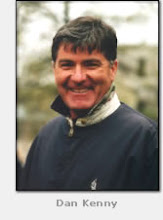
We recently received word of the death of Mr. Ed Fricke, retired chairman of the Journalism Depart at Loyola U. in New Orleans. Fricke had an inordinate influence on the careers of myself and two confreres at Loyola. That’s because he had a second job as publicity director for Fair Grounds Racetrack. Fricke was known to host a class or two at the track when his schedule got tight.
A 3-year-old named On The Virg was considered Derby material earlier this year and that got me thinking. Wasn’t that the name of a weekly column written by none other than Eclipse Award winner Ron Virgets? He livened up the pages of Daily Racing Form and has since gone on to become a beloved denizen of the Crescent City. Ron had to swim for his life when Hurricane Katrina hit.
Mac McBride inherited the sports editor position from Virgets and then passed it on to yours truly when he graduated. He spent some years at Daily Racing Form also before landing the cushiest job in racing, humming along with Bing Crosby every day where the Turf Meets The Surf at Del Mar. He also heads up the publicity staff there
Fricke called me with a job offer after graduation to cover racing, golf, boxing, ABA basketball and whatever else might come along. All this and $l00 a week! Where do I sign up? The Fair Grounds press box was the major attraction. In those days I could drink $l00 a week in free beer and sandwiches at the track, all the while in the best seat in the house atop the ancient and revered grandstand.
The daily that I wrote for dubbed me with the nom de plume Ted Turfman for my graded handicap at the track. My initiation was a little rough. The guys in the racing office liked to announce that some poor soul was found drowned in nearby Bayou St. John. His pockets were empty except for a copy of my selections. That sort of stuff and a lot more toughened my hide enough to learn the ropes.
Migration to the DRF followed with triple the salary and a chance to travel to exotic places and cover racing exclusively.
That Loyola school paper only had about a half dozen male students. What were the odds that 40 years later we three would still be playing the ponies?
Charlie Hatton, the best writer the Form ever had, said it best. “You get stuck on the flypaper of turf journalism.”
Jun 27, 2008
Jun 26, 2008
Time, Time, Time Is On My Side
Two of our recent recruits recently broke track records. We found Broadway Hennessy at the February Calder sale. All I can say is that the chestnut Hennessy filly reminded me a great deal of another standout chestnut filly, Harmony Lodge who went on to Grade I status after being plucked from the same sale for $l.65 million.
Broadway Hennessy really looked like Harmony Lodge when she shattered the track record at Golden Gate Fields in her first start. She won by 6 l/2 lengths for trainer Jerry Hollendorfer.
Home For Harlan won by l0 lengths when he set a new 6 l/2 furlongs mark at Woodbine.
The handsome 3-year-old is another crack runner from the first crop of Harlan’s Holiday
Track records are nothing new for our outfit. The most meaningful came in the l989 Palos Verdes at Santa Anita when Sunny Blossom vanquished arch-rival Olympic Prospect in l.07.l Gary Stevens never uncocked his stick that day and his eyes light up when he recalls the event two decades later.
Our best piece of horse trading was probably Slyly Gifted, bought for $35,000 after his first start. He won the Longacres Derby and the Canadian Derby, both in record time.
Long ago we bought a filly named Lil Ol’ Gal who set the world record for 3 l/2 furlongs
at Northlands Park in Canada. We bought her again later for John Franks and she won a big stakes at Woodbine.
There are a few more over the years but you get the picture. We may be wearing bifocals but the eye for a good horse functions well as ever.
Broadway Hennessy really looked like Harmony Lodge when she shattered the track record at Golden Gate Fields in her first start. She won by 6 l/2 lengths for trainer Jerry Hollendorfer.
Home For Harlan won by l0 lengths when he set a new 6 l/2 furlongs mark at Woodbine.
The handsome 3-year-old is another crack runner from the first crop of Harlan’s Holiday
Track records are nothing new for our outfit. The most meaningful came in the l989 Palos Verdes at Santa Anita when Sunny Blossom vanquished arch-rival Olympic Prospect in l.07.l Gary Stevens never uncocked his stick that day and his eyes light up when he recalls the event two decades later.
Our best piece of horse trading was probably Slyly Gifted, bought for $35,000 after his first start. He won the Longacres Derby and the Canadian Derby, both in record time.
Long ago we bought a filly named Lil Ol’ Gal who set the world record for 3 l/2 furlongs
at Northlands Park in Canada. We bought her again later for John Franks and she won a big stakes at Woodbine.
There are a few more over the years but you get the picture. We may be wearing bifocals but the eye for a good horse functions well as ever.


Jun 24, 2008
Dam, …I’m Good
They say it’s not bragging if you can actually do it. And what we do very well indeed at Dan Kenny Bloodstock is purchase and manage broodmares for our clients.
You know all about Broodmare of the Year In Neon by now. Those are one-of-a-kind.
Let’s talk about a few more good ones that have come our way. What’s most interesting is how common sense played a role in our selections. It helps to have a good memory.
Three good examples occurred in April, the dams of Sterwins, Shilla, and Bonanza.
Each had Canadian connections which I recognized from my time in the Great White North.
Sterwins is a stakes-winner of some $600,000 after a win in the Gr. 3 Ben Ali at Keeneland. She is making amends for her lack of racing ability. Todd Pletcher and I bought Sweet Vale (Wild Again) for $l00,000 at Keeneland September. We also had our eye on another Wild Again filly and thought we’d bid on Sweet Vale first as we appraised the pair about equally. Early in the day we were able to buy the Sweet Vale filly. The second went for over $l m and turns out she can’t run either.
Shilla’s dam is an Apalachee filly who was trained by Pletcher for Dogwood Farm. We bought her for a Calgary rancher for $l5,000. She had been a good allowance winner, might have been stakes material until a broken cannon bone required a steeel plate to keep her paddock sound. She produced a good winner of over $l00,000 before being sold to an Ontario breeder who bred her to Marquetry and got Shilla who is a SW of about $400,000 at Woodbine. Todd said she could run, I liked the look of her and the price was right.
A few years later we sold her stakes-winning kin Mulrainy for $270,000 as a broodmare prospect.
Explore The Gold raced in Western Canada and I was able to acquire her for a modest price when her racing days were through. I resold her for a nice profit and she has produced four stakes horses, among them Bonanza who won the Wando Stakes at Woodbine
Nabatina is another good advertisement for local knowledge. I bought her for a measly $l3,500 specifically to be bred to Archers Bay. She was out of a half-sister to mighty Benburb who had recorded two monumental upsets, one over A P Indy in the Molson Million (he went on to win the Breeders Cup Classic that year) and the other over l-20 Alydeed in the Prince of Wales at Fort Erie. I had a close up look at each as a member of the NBC and CBC commentary teams..
Nabatina brought the Vice Regent/Deputy Minister nick to the fore and she produced SW Schooner Bay who has won over $300,000.
For $2l,000 I acquired a Nearctic line mare who was ideal for Archers Bay. She was from a family that had some speedy stakes-horses that would suit a horse capable of l0 furlongs like Archers Bay. She was in-foal to Lucky Lionel, a real speedster that Bobby Frankel trained. He set a track record for 6.5 furlongs at Santa Anita. The Lucky Lionel
foal went on to be a stakes-winner in Chicago of $270,000.
Hawk Cliff comes from a family that I know very well. She herself ground out more than $2l6,000 racing at Woodbine and had a pair of “boxing gloves” for ankles. She reminded me of a mare named Sophisticated Sam that I bought from Frank Stronach. She had big ankles from a long career…and her first foal for us made $500,000. Never forget that heart and courage are what we are breeding for. Hawk Cliff had a sister named Quest Master who could sprint in l:08 and change and tough enough to win l3 races and $250,000 while racing until she was nine.
Hawk Cliff had another sibling in Pegwell, a colt by Kentucky Derby winner Lil E Tee.
I had bought Pegwell at Woodbine for $l35,000 and retained a quarter interest for myself as I thought he was a leading contender for the Queen’s Plate. Pegwell won off by many lengths in his second start and was considered second choice for the Plate. Alas, he became a wobbler almost overnight and was put to sleep. Pegwell flooded my memory when Hawk Cliff came into the Keeneland ring.
I bought him for newcomer Dan Sutherland from British Columbia for $l0,000. The
Stormin Fever colt she was carrying brought $50,000 as a yearling, topping the local Canadian sale in Vancouver. In the meantime, the first foal out of the mare suddently produced a New York stakes-winner. Hawk Cliff has a beautiful colt by Northern Afleet that will be much like Afleet Alex genetically. That’s a good thing. Luck and a good memory can go a long way to success in this game.
We could ramble on but trust that these examples barely scratch the surface of our successful history. Now you know there is “method in my madness” when we represent you at the sales.
You know all about Broodmare of the Year In Neon by now. Those are one-of-a-kind.
Let’s talk about a few more good ones that have come our way. What’s most interesting is how common sense played a role in our selections. It helps to have a good memory.
Three good examples occurred in April, the dams of Sterwins, Shilla, and Bonanza.
Each had Canadian connections which I recognized from my time in the Great White North.
Sterwins is a stakes-winner of some $600,000 after a win in the Gr. 3 Ben Ali at Keeneland. She is making amends for her lack of racing ability. Todd Pletcher and I bought Sweet Vale (Wild Again) for $l00,000 at Keeneland September. We also had our eye on another Wild Again filly and thought we’d bid on Sweet Vale first as we appraised the pair about equally. Early in the day we were able to buy the Sweet Vale filly. The second went for over $l m and turns out she can’t run either.
Shilla’s dam is an Apalachee filly who was trained by Pletcher for Dogwood Farm. We bought her for a Calgary rancher for $l5,000. She had been a good allowance winner, might have been stakes material until a broken cannon bone required a steeel plate to keep her paddock sound. She produced a good winner of over $l00,000 before being sold to an Ontario breeder who bred her to Marquetry and got Shilla who is a SW of about $400,000 at Woodbine. Todd said she could run, I liked the look of her and the price was right.
A few years later we sold her stakes-winning kin Mulrainy for $270,000 as a broodmare prospect.
Explore The Gold raced in Western Canada and I was able to acquire her for a modest price when her racing days were through. I resold her for a nice profit and she has produced four stakes horses, among them Bonanza who won the Wando Stakes at Woodbine
Nabatina is another good advertisement for local knowledge. I bought her for a measly $l3,500 specifically to be bred to Archers Bay. She was out of a half-sister to mighty Benburb who had recorded two monumental upsets, one over A P Indy in the Molson Million (he went on to win the Breeders Cup Classic that year) and the other over l-20 Alydeed in the Prince of Wales at Fort Erie. I had a close up look at each as a member of the NBC and CBC commentary teams..
Nabatina brought the Vice Regent/Deputy Minister nick to the fore and she produced SW Schooner Bay who has won over $300,000.
For $2l,000 I acquired a Nearctic line mare who was ideal for Archers Bay. She was from a family that had some speedy stakes-horses that would suit a horse capable of l0 furlongs like Archers Bay. She was in-foal to Lucky Lionel, a real speedster that Bobby Frankel trained. He set a track record for 6.5 furlongs at Santa Anita. The Lucky Lionel
foal went on to be a stakes-winner in Chicago of $270,000.
Hawk Cliff comes from a family that I know very well. She herself ground out more than $2l6,000 racing at Woodbine and had a pair of “boxing gloves” for ankles. She reminded me of a mare named Sophisticated Sam that I bought from Frank Stronach. She had big ankles from a long career…and her first foal for us made $500,000. Never forget that heart and courage are what we are breeding for. Hawk Cliff had a sister named Quest Master who could sprint in l:08 and change and tough enough to win l3 races and $250,000 while racing until she was nine.
Hawk Cliff had another sibling in Pegwell, a colt by Kentucky Derby winner Lil E Tee.
I had bought Pegwell at Woodbine for $l35,000 and retained a quarter interest for myself as I thought he was a leading contender for the Queen’s Plate. Pegwell won off by many lengths in his second start and was considered second choice for the Plate. Alas, he became a wobbler almost overnight and was put to sleep. Pegwell flooded my memory when Hawk Cliff came into the Keeneland ring.
I bought him for newcomer Dan Sutherland from British Columbia for $l0,000. The
Stormin Fever colt she was carrying brought $50,000 as a yearling, topping the local Canadian sale in Vancouver. In the meantime, the first foal out of the mare suddently produced a New York stakes-winner. Hawk Cliff has a beautiful colt by Northern Afleet that will be much like Afleet Alex genetically. That’s a good thing. Luck and a good memory can go a long way to success in this game.
We could ramble on but trust that these examples barely scratch the surface of our successful history. Now you know there is “method in my madness” when we represent you at the sales.
Jun 23, 2008
Our First Classic
Four Star Sales notched its first classic winner when Da’ Tara posted a 38-l upset in the Belmont Stakes. Four Star had sold the winner on behalf of WinStar Farm for $l00,000 at the Keeneland January sale in 2006. It is highly appropriate that the WinStar team be first to give us the honor of selling a future classic colt. They have been loyal backers of Four Star since our first sale in 2002. May there be many more victories to celebrate.
Another milestone for Four Star was Trifecta King who captured the Cinderella Stakes at Hollywood Park. She (yes it’s a she) entered the race a maiden and came away the initial juvenile winner for her sire Peace Rules.
The defeat of Big Brown was bittersweet to one of our clients who had purchased a half-sister to Big Brown in last year’s Keeneland September Sale. She is currently in training with Henry Cecil in Newmarket and early reports are encouraging.
Another milestone for Four Star was Trifecta King who captured the Cinderella Stakes at Hollywood Park. She (yes it’s a she) entered the race a maiden and came away the initial juvenile winner for her sire Peace Rules.
The defeat of Big Brown was bittersweet to one of our clients who had purchased a half-sister to Big Brown in last year’s Keeneland September Sale. She is currently in training with Henry Cecil in Newmarket and early reports are encouraging.
The Long and Short of It
When the Boston Celtics won the NBA championship it put a smile on Massachusetts native Chris McCarron. Chris may be retired as a Hall of Fame jockey but he is no less busy in the industry, sending out first graduates from his riding school. He’s also done some good commentary on televised races.
The Celtics’ revival brings to mind a funny story he tells. It seems that Chris had been invited to play in a sports celebrity golf tournament. When he stepped on the practice tee he noticed Celtic great Bill Russell.
Chris knew the reputation Russell had as a grumpy, aloof sort of guy. Russell hated to sign autographs, for one thing. Undaunted, Chris approached Russell and said, “I want you to know that you were my idol when I was a kid growing up”.
Whereupon the 6’ 9” Russell peered down at the jockey and said, “Looks to me like you didn’t do much of that”. And then he walked away.
MORE MCCARRON
The Triple Crown quest by Big Brown also sparked a memory concerning McCarron.
He won the Kentucky Derby and Preakness aboard Alysheba and was heavily favored to take the Belmont. There was a $5 million bonus to a Triple Crown winner in those days so Chris and trainer Jack Van Berg each figured to walk away with a cool half mil if they took the last leg.
When Van Berg walked into the clubhouse some of his pals wished him well. One said that he would need the bonus to cover his wife’s Fifth Avenue shopping jaunts.
“I wanted Alysheba to be right up on the pace so that Bet Twice would not have the pace too slow,” said Van Berg some years later. “And I had told Chris all week long not to get too far away from Bet Twice.
“When he walked into the paddock he had a kind of funny look on his face. He wasn’t listening to me, I don’t think, when I said to stay right with Bet Twice. Looking back, I probably should have given him a little smack to remind him of what I had just said. But I could feel that he had already made up his mind to take back.”
Sure enough, Craig Perret put Bet Twice on the lead and took the field wire to wire.
That day marked the zenith of Van Berg’s colorful career. In time the wife was gone, some real estate investments went sour, and Jack currently trains in relative obscurity in California.
The Celtics’ revival brings to mind a funny story he tells. It seems that Chris had been invited to play in a sports celebrity golf tournament. When he stepped on the practice tee he noticed Celtic great Bill Russell.
Chris knew the reputation Russell had as a grumpy, aloof sort of guy. Russell hated to sign autographs, for one thing. Undaunted, Chris approached Russell and said, “I want you to know that you were my idol when I was a kid growing up”.
Whereupon the 6’ 9” Russell peered down at the jockey and said, “Looks to me like you didn’t do much of that”. And then he walked away.
MORE MCCARRON
The Triple Crown quest by Big Brown also sparked a memory concerning McCarron.
He won the Kentucky Derby and Preakness aboard Alysheba and was heavily favored to take the Belmont. There was a $5 million bonus to a Triple Crown winner in those days so Chris and trainer Jack Van Berg each figured to walk away with a cool half mil if they took the last leg.
When Van Berg walked into the clubhouse some of his pals wished him well. One said that he would need the bonus to cover his wife’s Fifth Avenue shopping jaunts.
“I wanted Alysheba to be right up on the pace so that Bet Twice would not have the pace too slow,” said Van Berg some years later. “And I had told Chris all week long not to get too far away from Bet Twice.
“When he walked into the paddock he had a kind of funny look on his face. He wasn’t listening to me, I don’t think, when I said to stay right with Bet Twice. Looking back, I probably should have given him a little smack to remind him of what I had just said. But I could feel that he had already made up his mind to take back.”
Sure enough, Craig Perret put Bet Twice on the lead and took the field wire to wire.
That day marked the zenith of Van Berg’s colorful career. In time the wife was gone, some real estate investments went sour, and Jack currently trains in relative obscurity in California.
May 28, 2008
Studly Do-rights
Studly Do-Rights
Speightstown and Chapel Royal are my choices for leading freshman sire. That’s not a real original thought since each horse brought $2 million in the marketplace.
Speightstown was not sound but his bravery was something to behold. He laid his body down every time he set foot on the track. Chapel Royal is gigolo handsome with talent to match.
Finding first-crop stallions can provide good value when you get it right. A few years back we couldn’t help noticing Carson City’s foals had an awful lot of “try” to them during the early 2-year-old sales. At $7500 he looked a good bet and I so notified by customers. They were pretty uniform in type, heavily muscles, mid-sized to small and a tad short in the leg. There was a big one, out of a mare by Herbager, and the way he moved over the ground at Calder belied his size. That was Flying Chevron, later a Grade One winner.
Maria’s Mon was another who looked promising at $7500 and those who patronized that champion were usually glad they did. Mizzen Mast paid handsome dividends more recently.
We were commissioned to find suitable mates for the Canadian stallion Archers Bay a few years back. Rounded up were an inexpensive lot of mares carrying Bold Ruckus blood. Bold Ruckus and Deputy Minister clicked like ham and eggs and Archers Bay followed suit when his first runners appeared. He stood only two years before a colic attack claimed his life, an enormous loss for Windfields and Canadian breeding. There are no stallions of his like there today.
Getting back to Carson City, we noticed that Sam Lord’s Castle had his first winner up at Canterbury. We’ve clocked 2-year-old sales for three decades and saw something so extraordinary in Sam Lord’s Castle that we just had to buy him.
The Carson City colt worked his eighth mile at Keeneland in :l0.2 which was good enough but he galloped out in :l0.2, a truly astonishing example of what I like to call “natural gas”. I bought him for a client at $l00,000 and promised him that this horse would win his first start. That remark unsettled the trainer who I had recommended to train him. She was frightened by stories she’d heard about wind and unsoundness.
The colt was sent up to Woodbine and won his first four starts, including a couple of stakes. When the newsweeklies came out I noticed that she told the reporter that Sam was her top pick of the sale.
“Nothing dries faster than tears of gratitude”, acthe late, great Canadian insurance man John Carlton used to say. Needless to say we have other trainers to promote.
And you folks up in Minnesota, pay attention. You may be hearing a lot more from Sam Lord’s Castle.
Speightstown and Chapel Royal are my choices for leading freshman sire. That’s not a real original thought since each horse brought $2 million in the marketplace.
Speightstown was not sound but his bravery was something to behold. He laid his body down every time he set foot on the track. Chapel Royal is gigolo handsome with talent to match.
Finding first-crop stallions can provide good value when you get it right. A few years back we couldn’t help noticing Carson City’s foals had an awful lot of “try” to them during the early 2-year-old sales. At $7500 he looked a good bet and I so notified by customers. They were pretty uniform in type, heavily muscles, mid-sized to small and a tad short in the leg. There was a big one, out of a mare by Herbager, and the way he moved over the ground at Calder belied his size. That was Flying Chevron, later a Grade One winner.
Maria’s Mon was another who looked promising at $7500 and those who patronized that champion were usually glad they did. Mizzen Mast paid handsome dividends more recently.
We were commissioned to find suitable mates for the Canadian stallion Archers Bay a few years back. Rounded up were an inexpensive lot of mares carrying Bold Ruckus blood. Bold Ruckus and Deputy Minister clicked like ham and eggs and Archers Bay followed suit when his first runners appeared. He stood only two years before a colic attack claimed his life, an enormous loss for Windfields and Canadian breeding. There are no stallions of his like there today.
Getting back to Carson City, we noticed that Sam Lord’s Castle had his first winner up at Canterbury. We’ve clocked 2-year-old sales for three decades and saw something so extraordinary in Sam Lord’s Castle that we just had to buy him.
The Carson City colt worked his eighth mile at Keeneland in :l0.2 which was good enough but he galloped out in :l0.2, a truly astonishing example of what I like to call “natural gas”. I bought him for a client at $l00,000 and promised him that this horse would win his first start. That remark unsettled the trainer who I had recommended to train him. She was frightened by stories she’d heard about wind and unsoundness.
The colt was sent up to Woodbine and won his first four starts, including a couple of stakes. When the newsweeklies came out I noticed that she told the reporter that Sam was her top pick of the sale.
“Nothing dries faster than tears of gratitude”, acthe late, great Canadian insurance man John Carlton used to say. Needless to say we have other trainers to promote.
And you folks up in Minnesota, pay attention. You may be hearing a lot more from Sam Lord’s Castle.
May 27, 2008
Hirsch Jacobs
HIRSCH JACOBS
When a track names a stakes race in honor of a trainer from days gone by it might be enlightening to the new generation to learn what feats made the man so worthy. At the Preakness, Pimlico offers up the Hirsch Jacobs stakes annually. It was televised as part of the undercard but a video witness would still be in the dark when it comes to Mr. Jacobs.
In the second half of the 20th century he ranked alongside John Nerud as the most versatile and successful horsemen in the nation. Each man could have merited Hall of Fame status singly as an owner, a trainer, or a breeder.
Jacobs name will be forever linked with Hail To Reason, as Nerud with Dr. Fager.
The current debate about our less hardy contemporary stock often invokes Hail To Reason as Exhibit A.
Hail To Reason merely won nine of his l8 starts in a juvenile campaign which began in January-at three furlongs around a turn at Santa Anita-and culminated in lopsided tallies in the Hopeful at Saratoga and the rich World’s Playground Stakes at Atlantic City.
That arduous assignment found him still sound for more in September when it was said that he broke sesamoids when stepping on a racing plate lost by another horse at Aqueduct. In any event, Jacobs was known to say, “when they’re good, run em”, as chronicled by Daily Racing Form ace Joe Hirsch.
At stud, Hail To Reason’s reputation went up and down. Breeders tended to downplay the son of Turn-to as suspect in the soundness department.
History became his judge after son Roberto won the Epsom Derby and great-grandson Barbaro took the Kentucky Derby. Hail To Reason sported an Average Earnings Index of outlandish proportions, 4.47.
Prior to his heyday with Hail To Reason, Jacobs generally raced all the stock bred in Maryland with partner Isidore Bieber. But it was a famous claim of a horse named Stymie that was big news in the l950s. Stymie was haltered for $l500 and went on to win numerous stakes and more than $900,000.
And therein lies another tale, although one much less savory. My first encounter with Stymie came in l964 at the old Jefferson Downs in suburban New Orleans. I liked to play the ponies a bit in those days in hopes of landing some walking around money. As a varsity member of the Loyola University golf team I hung out in the athletic department which was full of more seasoned turf enthusiasts.
They let me tag along to “JD, as it was known, while we waited expectantly for major league racing to return at Fair Grounds on Thanksgiving
One of my brethren, a baseball player named Tiger Brupbacher, breathlessly told us one day about a caper about to unfold at JD, involving a son of Stymie named Putting Fool.
Tiger’s eavesdropping got the word out that Putting Fool was going to race three times at JD and he would be ridden by jockey Roberto D. Gonzales in each of the no-go preps for the betting coup to come.
Sure enough, we would venture out to the track and watch Putting Fool and Gonzales canter around the bullring that was Jefferson. Finally, round four arrived and the regulars surely felt something odd was brewing when a dozen or so really big college athletes arrived, beers in hand, to root home Putting Fool.
Putting Fool’s 20-1 morning line melted to 6-l by post time. The horse hadn’t been within l0 lengths of the lead in over a month. That night the starting gate opened and Gonzales and Putting Fool were gone! They cruised around the two-lap course with nary a care in the world and the payoff was $l5.00. The crazed college kids headed for the French Quarter.
When a track names a stakes race in honor of a trainer from days gone by it might be enlightening to the new generation to learn what feats made the man so worthy. At the Preakness, Pimlico offers up the Hirsch Jacobs stakes annually. It was televised as part of the undercard but a video witness would still be in the dark when it comes to Mr. Jacobs.
In the second half of the 20th century he ranked alongside John Nerud as the most versatile and successful horsemen in the nation. Each man could have merited Hall of Fame status singly as an owner, a trainer, or a breeder.
Jacobs name will be forever linked with Hail To Reason, as Nerud with Dr. Fager.
The current debate about our less hardy contemporary stock often invokes Hail To Reason as Exhibit A.
Hail To Reason merely won nine of his l8 starts in a juvenile campaign which began in January-at three furlongs around a turn at Santa Anita-and culminated in lopsided tallies in the Hopeful at Saratoga and the rich World’s Playground Stakes at Atlantic City.
That arduous assignment found him still sound for more in September when it was said that he broke sesamoids when stepping on a racing plate lost by another horse at Aqueduct. In any event, Jacobs was known to say, “when they’re good, run em”, as chronicled by Daily Racing Form ace Joe Hirsch.
At stud, Hail To Reason’s reputation went up and down. Breeders tended to downplay the son of Turn-to as suspect in the soundness department.
History became his judge after son Roberto won the Epsom Derby and great-grandson Barbaro took the Kentucky Derby. Hail To Reason sported an Average Earnings Index of outlandish proportions, 4.47.
Prior to his heyday with Hail To Reason, Jacobs generally raced all the stock bred in Maryland with partner Isidore Bieber. But it was a famous claim of a horse named Stymie that was big news in the l950s. Stymie was haltered for $l500 and went on to win numerous stakes and more than $900,000.
And therein lies another tale, although one much less savory. My first encounter with Stymie came in l964 at the old Jefferson Downs in suburban New Orleans. I liked to play the ponies a bit in those days in hopes of landing some walking around money. As a varsity member of the Loyola University golf team I hung out in the athletic department which was full of more seasoned turf enthusiasts.
They let me tag along to “JD, as it was known, while we waited expectantly for major league racing to return at Fair Grounds on Thanksgiving
One of my brethren, a baseball player named Tiger Brupbacher, breathlessly told us one day about a caper about to unfold at JD, involving a son of Stymie named Putting Fool.
Tiger’s eavesdropping got the word out that Putting Fool was going to race three times at JD and he would be ridden by jockey Roberto D. Gonzales in each of the no-go preps for the betting coup to come.
Sure enough, we would venture out to the track and watch Putting Fool and Gonzales canter around the bullring that was Jefferson. Finally, round four arrived and the regulars surely felt something odd was brewing when a dozen or so really big college athletes arrived, beers in hand, to root home Putting Fool.
Putting Fool’s 20-1 morning line melted to 6-l by post time. The horse hadn’t been within l0 lengths of the lead in over a month. That night the starting gate opened and Gonzales and Putting Fool were gone! They cruised around the two-lap course with nary a care in the world and the payoff was $l5.00. The crazed college kids headed for the French Quarter.
May 20, 2008
Riders on the Storm
Handicapping skills can be profitable for more than betting races. Some of my most memorable acquisitions in the bloodstock world were a result of simply applying common sense principles. One involved the almighty Storm Cat, a memory freshened by the news this week that he would breed no more.
I had just arrived in Kentucky (from California) back in 1993 in time for the Keeneland November Sale. Several clients had give me orders to buy mares. One NOT on my list was In Neon because I expected her to sell much higher than my modest budget would allow.
Imagine my surprise when stakes-winning In Neon, in foal to Storm Cat, went unsold at $l60,000, well below her reserve price of $200,000. A handful of agents were buzzing around the owner of In Neon, making low-ball bids. She insisted on full price so I sprinted to the pay phones to call my only client who might play at that level.
John Franks was a taskmaster who demanded a rational reason for whatever we did.
Paying a 25% premium over an RNA was not his idea of good business.
“Let me get this straight,” he said. “All the smart and rich players are in the sales pavilion and nobody is willing to pay even $l50,000. Why in heaven should I pay $200,000?”
I had to think fast as more agents hovered around her owner. She might not be on the market very long. You see, In Neon was a hard-hitting stakes-winner who was a Midwest stakes-winner for trainer Jack Van Berg.
In Neon’s first foal Star Recruit was by Al Nasr, a complete failure at stud. Yet Star Recruit won nearly $l million and just missed winning the Santa Anita Handicap. He won all that while racing with a club foot. Bear with me as I digress to tell you that the previous year another client, a Canadian named Peter Redekop told me to buy him the fastest horse in the May sale of 2-year-olds at Barretts. The fastest horse clearly was the colt by Al Nasr-In Neon. But nobody wanted him either and he went unsold at $40,000.
Redekop had changed his mind when informed about the foot.
“You should buy the mare because I had a chance to buy her first foal,” I replied. “And it still bugs me how I let that one get away. If this mare can get a graded stakes winner by Al Nasr, imagine what she might do with Storm Cat.”
“Go ahead and buy her then,” said Franks.
Her Storm Cat foal turned out to be Sharp Cat, winner of seven Grade I races and over $2 million.
I recommended that In Neon go to Theatrical, standing then for $20,000, and the result was another top notcher in Royal Anthem.
The reason that there were no other takers for In Neon, in my opinion, was that she was about as homely looking as a mare could be. I have never doubted that if Franks had been present at Keeneland that he would have passed on her, too.
Peter Redekop and I had another brush with fame and fortune when he sent me to Saratoga to try to find a well-bred filly for a reasonable price.
I gravitated over to a one horse consignment in a distant corner of the sale grounds.
There stood a tiny little filly who represented the entire consignment of Dr. Jacques Levasseur from Quebec. The filly was small but she was the right type to race over the bullring at Exhibition Park in Redekop’s home city of Vancouver.
On a budget of $75,000 I knew it was a longshot to try and buy a Storm Cat filly for that kind of money. I stepped in to try in any event and my heart fluttered when I had the bid at $75,000. I should have been finished but went a couple more bids, confident that my client would not disapprove. We tossed in the towel at $90,000 and trainer Jim Day signed the ticket that evening for Canadian powerhouse Sam-Son Farm.
I consoled my self with the knowledge that the deep pockets Sam-Son operation would have bid what it took to secure the filly they named Silken Cat. Silken Cat won all three of her starts and was named Canada’s champion two-year-old filly.
Four years later, Silken Cat came into my life again. I had been hired by another wealthy Canadian, Eugene Melnyk to scout for the very best yearlings that Keeneland had to offer. He was new to the game and liked to ask Todd Pletcher and I what horses did he “have to have”.
Right from the start I nominated the Gone West colt out of Silken Cat. He wouldn’t be cheap, I observed, but he was the one you had to have.
“Don’t worry,” I recall saying. “You’ll get even by the end of Saratoga.”
Todd was not so sure. The horse had to please him because all the weight of a $2 million yearling would be on his shoulders just as he was beginning his career.
Luckily, I talked him into it and Melnyk had his first Eclipse Award in Speightstown.
As for my prediction, he got even all right, at the end of his SIX year old season. Todd and I crossed paths at Lone Star soon after Speightstown won the Breeders’ Cup Sprint. .He shook my hand and acknowledged that my persistence had enabled him to train a champion. Todd is a class act and richly deserves all the accolades that have come his way in the years since.
A Storm Cat descendant of more recent vintage is Home For Harlan, a 3-year-old by Harlan’s Holiday, who set a new track record at Woodbine. The colt, racing in blinkers for the first time, covered 6 l/2 furlongs in l:l4.8l. He is a great grandson of Storm Cat.
We picked him out of the July Fasig-Tipton Sale for $82,000 from the first crop of his sire on behalf of Jim and Susan Hill of Calgary. The Hills are putting together a well-bred stable in their native land
I had just arrived in Kentucky (from California) back in 1993 in time for the Keeneland November Sale. Several clients had give me orders to buy mares. One NOT on my list was In Neon because I expected her to sell much higher than my modest budget would allow.
Imagine my surprise when stakes-winning In Neon, in foal to Storm Cat, went unsold at $l60,000, well below her reserve price of $200,000. A handful of agents were buzzing around the owner of In Neon, making low-ball bids. She insisted on full price so I sprinted to the pay phones to call my only client who might play at that level.
John Franks was a taskmaster who demanded a rational reason for whatever we did.
Paying a 25% premium over an RNA was not his idea of good business.
“Let me get this straight,” he said. “All the smart and rich players are in the sales pavilion and nobody is willing to pay even $l50,000. Why in heaven should I pay $200,000?”
I had to think fast as more agents hovered around her owner. She might not be on the market very long. You see, In Neon was a hard-hitting stakes-winner who was a Midwest stakes-winner for trainer Jack Van Berg.
In Neon’s first foal Star Recruit was by Al Nasr, a complete failure at stud. Yet Star Recruit won nearly $l million and just missed winning the Santa Anita Handicap. He won all that while racing with a club foot. Bear with me as I digress to tell you that the previous year another client, a Canadian named Peter Redekop told me to buy him the fastest horse in the May sale of 2-year-olds at Barretts. The fastest horse clearly was the colt by Al Nasr-In Neon. But nobody wanted him either and he went unsold at $40,000.
Redekop had changed his mind when informed about the foot.
“You should buy the mare because I had a chance to buy her first foal,” I replied. “And it still bugs me how I let that one get away. If this mare can get a graded stakes winner by Al Nasr, imagine what she might do with Storm Cat.”
“Go ahead and buy her then,” said Franks.
Her Storm Cat foal turned out to be Sharp Cat, winner of seven Grade I races and over $2 million.
I recommended that In Neon go to Theatrical, standing then for $20,000, and the result was another top notcher in Royal Anthem.
The reason that there were no other takers for In Neon, in my opinion, was that she was about as homely looking as a mare could be. I have never doubted that if Franks had been present at Keeneland that he would have passed on her, too.
Peter Redekop and I had another brush with fame and fortune when he sent me to Saratoga to try to find a well-bred filly for a reasonable price.
I gravitated over to a one horse consignment in a distant corner of the sale grounds.
There stood a tiny little filly who represented the entire consignment of Dr. Jacques Levasseur from Quebec. The filly was small but she was the right type to race over the bullring at Exhibition Park in Redekop’s home city of Vancouver.
On a budget of $75,000 I knew it was a longshot to try and buy a Storm Cat filly for that kind of money. I stepped in to try in any event and my heart fluttered when I had the bid at $75,000. I should have been finished but went a couple more bids, confident that my client would not disapprove. We tossed in the towel at $90,000 and trainer Jim Day signed the ticket that evening for Canadian powerhouse Sam-Son Farm.
I consoled my self with the knowledge that the deep pockets Sam-Son operation would have bid what it took to secure the filly they named Silken Cat. Silken Cat won all three of her starts and was named Canada’s champion two-year-old filly.
Four years later, Silken Cat came into my life again. I had been hired by another wealthy Canadian, Eugene Melnyk to scout for the very best yearlings that Keeneland had to offer. He was new to the game and liked to ask Todd Pletcher and I what horses did he “have to have”.
Right from the start I nominated the Gone West colt out of Silken Cat. He wouldn’t be cheap, I observed, but he was the one you had to have.
“Don’t worry,” I recall saying. “You’ll get even by the end of Saratoga.”
Todd was not so sure. The horse had to please him because all the weight of a $2 million yearling would be on his shoulders just as he was beginning his career.
Luckily, I talked him into it and Melnyk had his first Eclipse Award in Speightstown.
As for my prediction, he got even all right, at the end of his SIX year old season. Todd and I crossed paths at Lone Star soon after Speightstown won the Breeders’ Cup Sprint. .He shook my hand and acknowledged that my persistence had enabled him to train a champion. Todd is a class act and richly deserves all the accolades that have come his way in the years since.
A Storm Cat descendant of more recent vintage is Home For Harlan, a 3-year-old by Harlan’s Holiday, who set a new track record at Woodbine. The colt, racing in blinkers for the first time, covered 6 l/2 furlongs in l:l4.8l. He is a great grandson of Storm Cat.
We picked him out of the July Fasig-Tipton Sale for $82,000 from the first crop of his sire on behalf of Jim and Susan Hill of Calgary. The Hills are putting together a well-bred stable in their native land
May 16, 2008
Don't Boo a Dead Horse
More jumping to conclusions, a common form of exercise in the world of Thoroughbred horses. Racetrackers have a saying, “Believe none of what you hear and only half of what you see” in order to survive.
Somebody started a rumor the week of the Kentucky Derby that the troubles that beset the sport could be laid at the feet of Native Dancer. The first superstar horse of the television age evidently was found guilty of siring the undefeated Raise A Native who in turn sired the prepotent Mr. Prospector. That Native Dancer also sired the dam of the almighty Northern Dancer was more proof that he had somehow contaminated the breed. Your reporter seemed to support that view.
Descendents of Native Dancer performed wonders on the racetrack and in the breeding shed. Taken together, the male strain via Raise A Native and the female strain through Natalma (dam of Northern Dancer) began to produce a uniquely American runner who could carry their abundant speed l0 furlongs. Danehill and Sadler’s Wells combined to sire 600 stakes-winners world wide and US based Danzig and Mr. Prospector were good for almost 400 more.
If these horses were so successful, why the carping now? Soundness issues say the critics.
As a small breeder myself, I would take my chances with a Northern Dancer/Mr. P stallion rather than patronize lines which have been pummeled by this pair for decades.
What observers often miss is that, in addition to speed and soundness, a stallion needs courage to pass on to his progeny. Courage, often expressed as “heart” can only be detected by observing it in performance. The canny breeder who can recognize a horse like Distorted Humor, who began his career with a $l2,500 fee and now stands for $300,000, may reap huge rewards.
Horses behave much like human athletes. Some have a high pain tolerance while others are finicky and prone to chuck it in when things don’t go their way
Just a few years ago South American breeders began to acquire US stallions to inject more speed into their own stock. Speedballs like Salt Lake, Bernstein, Honour and Glory, and Southern Halo were given an enthusiastic welcome.
Pedigrees have become global, too. A good example is champion Invasor. He is a South American whose American sire (Candy Stripes) raced in France as did his own sire (Blushing Groom) who stood in France before migrating to Kentucky. Red God, the sire of Blushing Groom, was American-bred but raced in France. He was a son of the great Nasrullah who came to American shortly after World War II and sired seven-time champion sire Bold Ruler.
Invasor himself was found in Uruguay and purchased by the Maktoum family of Dubai. Invasor is now at stud in Kentucky.
There is going to be a need eventually for other strains to develop as more popular ones saturate the breed. Dissing Native Dancer and his clans will do nothing to ameliorate the situation, however. How about a shout out for Native Dancer instead!.
Somebody started a rumor the week of the Kentucky Derby that the troubles that beset the sport could be laid at the feet of Native Dancer. The first superstar horse of the television age evidently was found guilty of siring the undefeated Raise A Native who in turn sired the prepotent Mr. Prospector. That Native Dancer also sired the dam of the almighty Northern Dancer was more proof that he had somehow contaminated the breed. Your reporter seemed to support that view.
Descendents of Native Dancer performed wonders on the racetrack and in the breeding shed. Taken together, the male strain via Raise A Native and the female strain through Natalma (dam of Northern Dancer) began to produce a uniquely American runner who could carry their abundant speed l0 furlongs. Danehill and Sadler’s Wells combined to sire 600 stakes-winners world wide and US based Danzig and Mr. Prospector were good for almost 400 more.
If these horses were so successful, why the carping now? Soundness issues say the critics.
As a small breeder myself, I would take my chances with a Northern Dancer/Mr. P stallion rather than patronize lines which have been pummeled by this pair for decades.
What observers often miss is that, in addition to speed and soundness, a stallion needs courage to pass on to his progeny. Courage, often expressed as “heart” can only be detected by observing it in performance. The canny breeder who can recognize a horse like Distorted Humor, who began his career with a $l2,500 fee and now stands for $300,000, may reap huge rewards.
Horses behave much like human athletes. Some have a high pain tolerance while others are finicky and prone to chuck it in when things don’t go their way
Just a few years ago South American breeders began to acquire US stallions to inject more speed into their own stock. Speedballs like Salt Lake, Bernstein, Honour and Glory, and Southern Halo were given an enthusiastic welcome.
Pedigrees have become global, too. A good example is champion Invasor. He is a South American whose American sire (Candy Stripes) raced in France as did his own sire (Blushing Groom) who stood in France before migrating to Kentucky. Red God, the sire of Blushing Groom, was American-bred but raced in France. He was a son of the great Nasrullah who came to American shortly after World War II and sired seven-time champion sire Bold Ruler.
Invasor himself was found in Uruguay and purchased by the Maktoum family of Dubai. Invasor is now at stud in Kentucky.
There is going to be a need eventually for other strains to develop as more popular ones saturate the breed. Dissing Native Dancer and his clans will do nothing to ameliorate the situation, however. How about a shout out for Native Dancer instead!.
May 12, 2008
Jumping to Conclusions
Jumping to conclusions is often the only exercise we get in the horse business. Never more so than the present debate, if you could call it that, about the demise of Eight Belles in her moment of glory in the Kentucky Derby.
That dreadful reality hit hard among those of us in the Thoroughbred world, a gutshot for which none of us could prepare. Tears flowed, fingers pointed and a pronounced numbness against the sorrow left us to grieve in the aftermath.
The event also unleashed a barrage of emotion that rarely mingled with fact while a stunned public tried to make sense of it all. Even before the Derby some once-a-year commentators placed the blame on Native Dancer for the woes of the breed. He was faulted for siring Raise A Native who sired Mr. Prospector. That hardly constitutes a felony but you know how radicals think... "Don’t trust a stallion over 30”.
A young lady on National Public Radio got in the act by telling her audience that Northern Dancer was the culprit for bringing a gene for unsoundness into the breeding shed. Which “gene” she did not say.
Thus the quest for new urban myths to espouse got the drop on the Thoroughbred hierarchy’s response time. By the time the usual suspects and the usual committees were rounded up it was left to the likes of PETA to set the agenda.
Too late for racing to borrow the modernist’s apology template of deny it, lie about it, and say that’s it time to move on. So now what do we do? And don’t anyone dare suggest giving $2 million to Rudy Giuliani to try to fix it.
Let’s try to calmly identify the things that we can amend first. Continue research on synthetic tracks. Modify the use of the whip. Increase pre-race soundness inspections at major races.
The majority of horses racing are claimers and year-round racing economics doom them to race non-stop. Why not change the rules in favor of the owners and trainers who wish to give their horses periodic time outs? I suggest a dua- entry claiming race whereby a horse who has been turned out at least 60 days is allowed two runs in claiming races with a waiver that prevents him from being snatched up by another owner. Perhaps he should run for a reduced purse, say 80 % of the total.
And isn’t it time to put to rest, once and for all, of the canard that 2-year-old racing is responsible for breaking down immature animals? That idea is usually followed by a plea to ban juvenile racing. The fact is that young horses need that activity for develop sufficient bone to compete later on. In short, if you do not race at two, chances are you will have a maiden with bucked shins at ages three and up.
There might be a way to mollify proponents and opponents of 2-year-old racing. Tracks might cut juvenile purses in half and take that money and supplement maiden races for older horses. An owner bent on running early gets to do so, albeit for less money, and those with patience and a wish to protect their animal are handsomely rewarded.
Chief merit of simple ideas like these are that they require no regulation, only the agreement of individual tracks and the horse owners who race there.
Another thing we can do is stop worrying about PETA and its ilk. You could have fit all their demonstrators in a station wagon last week in Lexington. Do they have such political power that we need fear their wrath? Doubtful. They’ve been trying for 40 years to get Canadians to stop harvesting baby seals, with no success. They badger fur wearers and meat eaters, but have you noticed any progress in those areas?
The Eight Belles tragedy was predictably conjoined with that of Barbaro two years earlier. Numerous pundits both inside and outside the Thoroughbred industry decried the public loss of these two great horses and suggested that they were evidence of defects in the breed.
Maybe. But these things are hard to prove. Statistics experts often encounter anomalys that seem to suggest a trend in certain areas, i.e., childhood cancer rates in a neighborhood near an electrical power plant. What seems a clear cut case of cause and effect sometimes is seen years later as a statistical coincidence.
And so it is with Barbaro and Eight Belles.
A more positive example is the Triple Crown cluster of l973-78 produced by Secretariat, Seattle Slew, and Affirmed. I recall that serious racing people at the time who wondered if the Triple Crown had gotten too easy. Thirty years down the road we recognize that period as a “cluster”.
Agricultural land prices surely affect the breed, forcing small and mid-sized farms to overstock their paddocks as an economic necessity. Not much we can do about that.
It’s often tempting to vilify track management when such things go wrong. But if you think running a track is any picnic in the face of 24-hour a day casino competition then you have another thing coming.
Casinos are mentioned to remind Kentucky voters of the pathetic handling of their plea to vote on the issue of gaming at racetracks. Research and development costs plenty of money in the horse world to make the sport safer. The legislature responded with outright disdain to any proposals made by the horse industry. An industry which is best suited to drive the economic engine and produce much needed revenue for all of Kentucky citizens.
That dreadful reality hit hard among those of us in the Thoroughbred world, a gutshot for which none of us could prepare. Tears flowed, fingers pointed and a pronounced numbness against the sorrow left us to grieve in the aftermath.
The event also unleashed a barrage of emotion that rarely mingled with fact while a stunned public tried to make sense of it all. Even before the Derby some once-a-year commentators placed the blame on Native Dancer for the woes of the breed. He was faulted for siring Raise A Native who sired Mr. Prospector. That hardly constitutes a felony but you know how radicals think... "Don’t trust a stallion over 30”.
A young lady on National Public Radio got in the act by telling her audience that Northern Dancer was the culprit for bringing a gene for unsoundness into the breeding shed. Which “gene” she did not say.
Thus the quest for new urban myths to espouse got the drop on the Thoroughbred hierarchy’s response time. By the time the usual suspects and the usual committees were rounded up it was left to the likes of PETA to set the agenda.
Too late for racing to borrow the modernist’s apology template of deny it, lie about it, and say that’s it time to move on. So now what do we do? And don’t anyone dare suggest giving $2 million to Rudy Giuliani to try to fix it.
Let’s try to calmly identify the things that we can amend first. Continue research on synthetic tracks. Modify the use of the whip. Increase pre-race soundness inspections at major races.
The majority of horses racing are claimers and year-round racing economics doom them to race non-stop. Why not change the rules in favor of the owners and trainers who wish to give their horses periodic time outs? I suggest a dua- entry claiming race whereby a horse who has been turned out at least 60 days is allowed two runs in claiming races with a waiver that prevents him from being snatched up by another owner. Perhaps he should run for a reduced purse, say 80 % of the total.
And isn’t it time to put to rest, once and for all, of the canard that 2-year-old racing is responsible for breaking down immature animals? That idea is usually followed by a plea to ban juvenile racing. The fact is that young horses need that activity for develop sufficient bone to compete later on. In short, if you do not race at two, chances are you will have a maiden with bucked shins at ages three and up.
There might be a way to mollify proponents and opponents of 2-year-old racing. Tracks might cut juvenile purses in half and take that money and supplement maiden races for older horses. An owner bent on running early gets to do so, albeit for less money, and those with patience and a wish to protect their animal are handsomely rewarded.
Chief merit of simple ideas like these are that they require no regulation, only the agreement of individual tracks and the horse owners who race there.
Another thing we can do is stop worrying about PETA and its ilk. You could have fit all their demonstrators in a station wagon last week in Lexington. Do they have such political power that we need fear their wrath? Doubtful. They’ve been trying for 40 years to get Canadians to stop harvesting baby seals, with no success. They badger fur wearers and meat eaters, but have you noticed any progress in those areas?
The Eight Belles tragedy was predictably conjoined with that of Barbaro two years earlier. Numerous pundits both inside and outside the Thoroughbred industry decried the public loss of these two great horses and suggested that they were evidence of defects in the breed.
Maybe. But these things are hard to prove. Statistics experts often encounter anomalys that seem to suggest a trend in certain areas, i.e., childhood cancer rates in a neighborhood near an electrical power plant. What seems a clear cut case of cause and effect sometimes is seen years later as a statistical coincidence.
And so it is with Barbaro and Eight Belles.
A more positive example is the Triple Crown cluster of l973-78 produced by Secretariat, Seattle Slew, and Affirmed. I recall that serious racing people at the time who wondered if the Triple Crown had gotten too easy. Thirty years down the road we recognize that period as a “cluster”.
Agricultural land prices surely affect the breed, forcing small and mid-sized farms to overstock their paddocks as an economic necessity. Not much we can do about that.
It’s often tempting to vilify track management when such things go wrong. But if you think running a track is any picnic in the face of 24-hour a day casino competition then you have another thing coming.
Casinos are mentioned to remind Kentucky voters of the pathetic handling of their plea to vote on the issue of gaming at racetracks. Research and development costs plenty of money in the horse world to make the sport safer. The legislature responded with outright disdain to any proposals made by the horse industry. An industry which is best suited to drive the economic engine and produce much needed revenue for all of Kentucky citizens.
Subscribe to:
Posts (Atom)