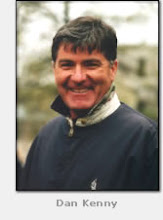
In August of l969 I am off to Saratoga for the first time. I take some vacation time from the New Orleans States-Item sports pages to discuss more gainful employment with the Morning Telegraph/Daily Racing Form.
My sister Mary wonders if I am going to the big rock concert. “What concert?”, I ask, too absorbed with Thoroughbred fantasies of the spa to consider what else might be going down.
“It’s up in Woodstock, not far from Saratoga. You ought to check it out.”
My wife and I head for Manhattan for an interview with Saul Rosen, editor in chief of Triangle Publications. We meet for a couple of hours at Triangle offices on West 52nd St.
It goes well.
“I’ll be back in touch” says Saul. He then sends us off to dinner at Broadway Joe’s and tickets to my first Broadway musical experience-Purlie, starring Melba Moore.
The next morning we head North to Saratoga. Radio reports of the Woodstock Festival provide a little temptation. After all, we’re talking Bob Dylan, Joni Mitchell, Richie Havens, The Who, Crosby, Wills, Nash and Young, and on and on.
We briefly consider a detour for at least a “look see” at Woodstock but the pouring rain decides the issue and we are back on Robert Frost’s Road Not Taken, fully aware that Saratoga would have its share of rich folks who might indeed Pave Paradise and Put Up a Parking lot.
Class warfare aside, Saragota is too good to be true. We took a place on Lake George and waited for the rain to stop. It never did. No matter, we were in Saratoga on Travers day in a good seat arranged by the fatherly Mr. Rosen. He even instructed Joe Hirsch to treat us to dinner at the Wishing Well.
Arts and Letters is the heavy Travers favorite and we parlay our meager winnings on his nose at even money or so. Braulio Baeza brings him home in track record time in a sea of slop. The jockey has the most elegant posture on a horse that I have seen then or since. Owner-breeder Paul Mellon looks like he’s having fun. We’ll meet again in 1992 in the Belmont Park winner’s circle after Sea Hero wins the Champagne on his way to a Kentucky Derby win. I spent 25 years as a television commentator and that brief moment with Mellon and trainer Mack Miller was the pinnacle.
Saul did get back in touch, five months later, and he sent me off to Vancouver. In those days it seemed like one adventure after another. There are more stories for another day.
Jul 23, 2008
Jul 22, 2008
Curlin: Gone from the lawn?
Curlin’s foray into turf racing was inconclusive to a number of observers. To me it was obvious that he is not nearly the presence on grass that he is on a standard dirt track.
Missing in his turf trial was the keen turn of foot found in virtually all grass champions.
The Curlin modus operandi is to stalk and wear down his opponents with his marvelous action and will to win.
His knockout punch did not materialize in the Man O’ War. It’s not likely that he could take on Europe’s best in the Arc and prevail. The nature of Longchamp militates against Curlin’s chances.
First of all, there are usually l5 to 20 horses in the Arc and Curlin’s burly conformation, so intimidating on the main track, may not serve him well in the clinches. Right handed turns are a challenge. So is the deep, wet ground generally prevalent in Paris in October.
Throw in the false straightaway which puzzles many a foreign jockey and shipping to Europe and you have a task too hard. Even for Curlin.
Missing in his turf trial was the keen turn of foot found in virtually all grass champions.
The Curlin modus operandi is to stalk and wear down his opponents with his marvelous action and will to win.
His knockout punch did not materialize in the Man O’ War. It’s not likely that he could take on Europe’s best in the Arc and prevail. The nature of Longchamp militates against Curlin’s chances.
First of all, there are usually l5 to 20 horses in the Arc and Curlin’s burly conformation, so intimidating on the main track, may not serve him well in the clinches. Right handed turns are a challenge. So is the deep, wet ground generally prevalent in Paris in October.
Throw in the false straightaway which puzzles many a foreign jockey and shipping to Europe and you have a task too hard. Even for Curlin.


Jul 17, 2008
WOODY STEPHENS
Back in the mid-seventies I came down from Vancouver to Keeneland to see what I could learn from the July sale. One early morning I came across Woody Stephens and had the temerity to ask him if I might join him as he made his rounds. Only later did I discover that Woody loved an audience I was grateful for the opportunity to see him in action.
One thing I remember him saying was to take time to peer in the stall when shopping for a yearling. “You want to see if he’s a stall walker. If so, the bedding will be disturbed all over the stall,” he warned.
When Woody inspected a yearling he would lift up the tail and drop it from shoulder height.
“A horse has to have some snap to his tail,” he said. “Otherwise there may be some weakness in his spine. A horse has to have a strong spine. Stay away from them if they don’t . I do like coon-tailed horses though. They’re runners.”
Not long after I returned to Canada I was asked to go to a sale at Hollywood Park and try to buy a 3-year-old by Ack Ack. Charlie Whittingham trained the horse for a man who had died. When I arrived in LA I noticed that the colt had virtually no tail, perhaps several inches of stubble where the tail was missing.
I called my client and discussed the situation, mindful of Woody Stephens’ dictum on the matter.It also seemed odd to me that the horse would not have been already sold inside the Whittingham barn. I advised the client to pass. He said try to buy him.
I bought the horse for $45,000 and shipped him to Exhibition Park where he raced soon after arrival. The gates opened and he took off down the track from an outside post position. He ran scarcely 100 yards before he broke down behind with a fractured pelvis.
Coincidence? Perhaps. But I couldn’t help but think of Woody’s tutelage about healthy spines.
A couple of decades passed and I met Woody once again in the Woodbine turf club. He was having lunch with his former top assistant Phil Gleaves. We were all in Toronto for the Molson Million .A raging storm had emptied the place and we had it to ourselves.
Woody wanted to bet every race and relied on my handicapping. We made a few dollars but the real payoff was listening to his stories. He could be a little redundant about his five straight Belmont victories, noting that “I had the exacta in all five”. It left you wondering which meant the most to him, the Belmonts or his betting prowess.
One thing I remember him saying was to take time to peer in the stall when shopping for a yearling. “You want to see if he’s a stall walker. If so, the bedding will be disturbed all over the stall,” he warned.
When Woody inspected a yearling he would lift up the tail and drop it from shoulder height.
“A horse has to have some snap to his tail,” he said. “Otherwise there may be some weakness in his spine. A horse has to have a strong spine. Stay away from them if they don’t . I do like coon-tailed horses though. They’re runners.”
Not long after I returned to Canada I was asked to go to a sale at Hollywood Park and try to buy a 3-year-old by Ack Ack. Charlie Whittingham trained the horse for a man who had died. When I arrived in LA I noticed that the colt had virtually no tail, perhaps several inches of stubble where the tail was missing.
I called my client and discussed the situation, mindful of Woody Stephens’ dictum on the matter.It also seemed odd to me that the horse would not have been already sold inside the Whittingham barn. I advised the client to pass. He said try to buy him.
I bought the horse for $45,000 and shipped him to Exhibition Park where he raced soon after arrival. The gates opened and he took off down the track from an outside post position. He ran scarcely 100 yards before he broke down behind with a fractured pelvis.
Coincidence? Perhaps. But I couldn’t help but think of Woody’s tutelage about healthy spines.
A couple of decades passed and I met Woody once again in the Woodbine turf club. He was having lunch with his former top assistant Phil Gleaves. We were all in Toronto for the Molson Million .A raging storm had emptied the place and we had it to ourselves.
Woody wanted to bet every race and relied on my handicapping. We made a few dollars but the real payoff was listening to his stories. He could be a little redundant about his five straight Belmont victories, noting that “I had the exacta in all five”. It left you wondering which meant the most to him, the Belmonts or his betting prowess.
HERAT
Jeff Siegel and Joanne Jones were chatting on HRTV the other day about Herat. They recalled the diminutive son of Northern Dancer who was sold to John Franks and left the Woody Stephens barn to join Jack Van Berg’s California outfit. As usual, that reminds me of a story.
Van Berg persuaded Franks that Herat deserved a shot at the upcoming Santa Anita Handicap with its million dollar purse. Those types of races were scarce two decades ago.
Franks rarely left his Louisiana home and he did not like California at all. But this time he flew the Franks Petroleum jet to Santa Anita. I joined him there. John was not a betting man, as a rule, and $20 across the board was his standard play.
I was surprised then to have him hand me three hundred dollar bills and instructions to bet across the board on Herat. I told him that I thought Greinton couldn’t lose but he wanted some action so off I went.
On the way to the windows the thought did occur to me that booking the bet was an option. I mulled it over until I glanced at the tote board. Heart was 99-to-1 on the board but started closer to 200-to-1.
Crowds of 80,000 were not unusual on Big Cap day and I suddenly realized that this would be a risky time to become a bookmaker. I got a little panicky as the minutes ticked away and the horses were on the track. Greinton was the cynosure of all eyes while Herat pranced onto the track looking more like Bambi than a horse with a chance in the Big Cap.
In the nick of time I got the bet down and made my own play on Greinton. Passing the sixteenth pole Herat was still in front by a length and looking for the upset of the century.
Laffit Pincay muscled Greinton up to the 14 hands Herat and gradually pulled away to win in the final strides.
Herat proved to be a sagacious purchase. He won the New Orleans Handicap and began to attract the attention of Kentucky breeders. Allan Paulson bought into the horse and backed him with some good mares as did Franks. Herat unfortunately developed fertility problems and could not handle a large book of mares..
Van Berg persuaded Franks that Herat deserved a shot at the upcoming Santa Anita Handicap with its million dollar purse. Those types of races were scarce two decades ago.
Franks rarely left his Louisiana home and he did not like California at all. But this time he flew the Franks Petroleum jet to Santa Anita. I joined him there. John was not a betting man, as a rule, and $20 across the board was his standard play.
I was surprised then to have him hand me three hundred dollar bills and instructions to bet across the board on Herat. I told him that I thought Greinton couldn’t lose but he wanted some action so off I went.
On the way to the windows the thought did occur to me that booking the bet was an option. I mulled it over until I glanced at the tote board. Heart was 99-to-1 on the board but started closer to 200-to-1.
Crowds of 80,000 were not unusual on Big Cap day and I suddenly realized that this would be a risky time to become a bookmaker. I got a little panicky as the minutes ticked away and the horses were on the track. Greinton was the cynosure of all eyes while Herat pranced onto the track looking more like Bambi than a horse with a chance in the Big Cap.
In the nick of time I got the bet down and made my own play on Greinton. Passing the sixteenth pole Herat was still in front by a length and looking for the upset of the century.
Laffit Pincay muscled Greinton up to the 14 hands Herat and gradually pulled away to win in the final strides.
Herat proved to be a sagacious purchase. He won the New Orleans Handicap and began to attract the attention of Kentucky breeders. Allan Paulson bought into the horse and backed him with some good mares as did Franks. Herat unfortunately developed fertility problems and could not handle a large book of mares..
Jul 16, 2008
LUKE
We all lost a friend with the sudden death of Luke Kruytbosch. What a high-spirited, gregarious, thoughtful soul was Luke. We first met while doing racing telecasts in Western Canada and the friendship grew when we both migrated to the Kentucky mainstream of racing and breeding.
Luke had the two best attributes a racecaller needed. He was accurate and enthusiastic whether it was the Kentucky Derby or a bottoms maiden claimer. Luke was unafraid to pump a little life into a mundane card, like the time he informed us that Bubba Gum was sticking to the rail.
One day I alerted him to the fact that a maiden I had bred was thought by trainer Bobby Barnett to have a chance in the nightcap at Churchill Downs. Luke got a bet down and gave us a masterpiece call of a maiden claimer circling from the “back of the pack” to win in the last stride at 20-to-1.
He was a consummate professional in his work and a loyal friend. What else is there to say?
We all lost a friend with the sudden death of Luke Kruytbosch. What a high-spirited, gregarious, thoughtful soul was Luke. We first met while doing racing telecasts in Western Canada and the friendship grew when we both migrated to the Kentucky mainstream of racing and breeding.
Luke had the two best attributes a racecaller needed. He was accurate and enthusiastic whether it was the Kentucky Derby or a bottoms maiden claimer. Luke was unafraid to pump a little life into a mundane card, like the time he informed us that Bubba Gum was sticking to the rail.
One day I alerted him to the fact that a maiden I had bred was thought by trainer Bobby Barnett to have a chance in the nightcap at Churchill Downs. Luke got a bet down and gave us a masterpiece call of a maiden claimer circling from the “back of the pack” to win in the last stride at 20-to-1.
He was a consummate professional in his work and a loyal friend. What else is there to say?
Jul 11, 2008

ALL THAT GLITTERS IS NOT GOLD
Last Christmas I received a note from Keeneland’s Director of Sales Geoffrey Russell informing me that I had sold the sales graduate of the week.
“Congratulations on pinhooking such a nice horse. Sorry it wasn’t profitable!”, he wrote, taking damning with faint praise to a new level. The steed in question is Paradise Dancer who has gone on to earn some $600,000 after being purchased by me as a weanling for $l0,000. I felt like Jesse James robbing a train after finding a Langfuhr offspring for such a paltry sum.
I sold half to a partner and we entered the colt in Keeneland’s September yearling sale, anticipating a healthy resale profit, particularly after he aced his veterinary exams. It soon became apparent, however, that my enthusiasm for Langfuhr was unmatched by the Keeneland audience. By now this camp included my partner who said he wanted out. Sell him without reserve he said.
To my eye the only sin committed by the Langfuhr colt was he didn’t grow much since we bought him. We let him go for a ridiculous price of $7,000 to a buyer from Florida.
A cheerier bit of news showed up yesterday in the current Blood Horse. It seems that we landed in exalted company, ranked fourth among consignors selling graded stakes winners from 200l-05 under the Dan Kenny Bloodstock banner. Since we blended DKI into Four Star Sales in 2002, our finish was based on the 2001 season. Must have been a good year. But it doesn’t necessarily mean we made any money. It is entirely possible to breed and raise a good horse and still lose money.
That’s why we need to constantly press the case for broodmare awards. It can keep a horse farmer afloat who produced a good horse for the market yet made no direct profit.
“Congratulations on pinhooking such a nice horse. Sorry it wasn’t profitable!”, he wrote, taking damning with faint praise to a new level. The steed in question is Paradise Dancer who has gone on to earn some $600,000 after being purchased by me as a weanling for $l0,000. I felt like Jesse James robbing a train after finding a Langfuhr offspring for such a paltry sum.
I sold half to a partner and we entered the colt in Keeneland’s September yearling sale, anticipating a healthy resale profit, particularly after he aced his veterinary exams. It soon became apparent, however, that my enthusiasm for Langfuhr was unmatched by the Keeneland audience. By now this camp included my partner who said he wanted out. Sell him without reserve he said.
To my eye the only sin committed by the Langfuhr colt was he didn’t grow much since we bought him. We let him go for a ridiculous price of $7,000 to a buyer from Florida.
A cheerier bit of news showed up yesterday in the current Blood Horse. It seems that we landed in exalted company, ranked fourth among consignors selling graded stakes winners from 200l-05 under the Dan Kenny Bloodstock banner. Since we blended DKI into Four Star Sales in 2002, our finish was based on the 2001 season. Must have been a good year. But it doesn’t necessarily mean we made any money. It is entirely possible to breed and raise a good horse and still lose money.
That’s why we need to constantly press the case for broodmare awards. It can keep a horse farmer afloat who produced a good horse for the market yet made no direct profit.
Jul 10, 2008
HERE IS THE LATEST
Last weekend produced some of the usual good results. Christmas Ship won an allowance at Pleasanton. She is a stakes-placed half-sister to Tricky Trevor, a winner of over $700,000 which we bought as well for trainer Jerry Hollendorfer and partners. Christmas Ship’s earnings are nearing $l00,000. We bought the siblings for a total of $l47,000 and they have grossed $800,000. Each was purchased at OBS March from the consignment of Mike O’Farrell’s Ocala Stud. If everyone did business with the clarity that Mike brings to the job our lives would be easier.
Hollywood Park was the scene of another good Hollendorfer winner in Ransom Captive.
We purchased her dam a couple years ago (Cap Rouge) for a modest price in foal to Woodman. Hollendorfer feels that Ransom Captive is on a path to stakes status and will race next at Del Mar.
We bought the 2yo filly Broadway Hennessy in Florida this winter and she broke Golden Gate’s track record first time out. She was then l-to-5 favorite to win the Juan Gonzales Memorial at Pleasanton but she had to settle for second after a spirited dual on the lead.
Archer’s Gal won again at Woodbine and has surpassed $400,000 in lifetime earnings. We bought her dam, Dance A Go Go for $l2,500.
Juvee Hall finished second in the Supernatural Stakes at Hastings. We bought her sire (Arkansas Derby winner Graeme Hall) and dam (Feel The Pride). There is a great feeling of accomplishment when you can purchase a major stakes-winner for $200,000 and a mare for $20,000 that generate seven figure profits for the client you represent.
Hollywood Park was the scene of another good Hollendorfer winner in Ransom Captive.
We purchased her dam a couple years ago (Cap Rouge) for a modest price in foal to Woodman. Hollendorfer feels that Ransom Captive is on a path to stakes status and will race next at Del Mar.
We bought the 2yo filly Broadway Hennessy in Florida this winter and she broke Golden Gate’s track record first time out. She was then l-to-5 favorite to win the Juan Gonzales Memorial at Pleasanton but she had to settle for second after a spirited dual on the lead.
Archer’s Gal won again at Woodbine and has surpassed $400,000 in lifetime earnings. We bought her dam, Dance A Go Go for $l2,500.
Juvee Hall finished second in the Supernatural Stakes at Hastings. We bought her sire (Arkansas Derby winner Graeme Hall) and dam (Feel The Pride). There is a great feeling of accomplishment when you can purchase a major stakes-winner for $200,000 and a mare for $20,000 that generate seven figure profits for the client you represent.
SMILING IRISH EYES
I first met Bob Costigan on the backstretch of Hastings Park. He had a 3-year-old filly in training there and sought my opinion about sending her to Woodbine to see if she would prefer turf racing to the Hastings five furlongs dirt oval.
Since she was by Regal Classic out of a mare by Assert it was an easy to confirm his judgment that Inish Glora might fancy the lawn. I was thinking $50,000 claimer while Bob had higher aspirations.
Under the tutelage of old school trainer Mac Benson Inish Glora flourished immediately.
From modest beginnings in Vancouver she eventually reached the summit and was crowned Canada’s champion turf mare two years straight.
While all this was going on Bob asked me if I could find a telephone number for trainer David Carroll, a fellow Irishman who was stabled at Churchill Downs. It seems the pair had been school chums back in Ireland at Gormanston College. They had not spoken in 25 years.
Good fortune smiled on both of them after that reunion. Bob had added an Arch filly named Arravale to his small band of runners and she became not only champion filly in Canada but also Horse of the Year. Imagine two champions in a stable with no more than a handful of runners!
Carroll meanwhile showed that he’s no slouch with his deft handling of Denis of Cork to finish third in the Kentucky Derby and second in the Belmont.
“Bob was the smart one,” said David. “I’d be reading nothing but the Irish Field instead of my school books. It was grand to see him again after all those years.”
Since she was by Regal Classic out of a mare by Assert it was an easy to confirm his judgment that Inish Glora might fancy the lawn. I was thinking $50,000 claimer while Bob had higher aspirations.
Under the tutelage of old school trainer Mac Benson Inish Glora flourished immediately.
From modest beginnings in Vancouver she eventually reached the summit and was crowned Canada’s champion turf mare two years straight.
While all this was going on Bob asked me if I could find a telephone number for trainer David Carroll, a fellow Irishman who was stabled at Churchill Downs. It seems the pair had been school chums back in Ireland at Gormanston College. They had not spoken in 25 years.
Good fortune smiled on both of them after that reunion. Bob had added an Arch filly named Arravale to his small band of runners and she became not only champion filly in Canada but also Horse of the Year. Imagine two champions in a stable with no more than a handful of runners!
Carroll meanwhile showed that he’s no slouch with his deft handling of Denis of Cork to finish third in the Kentucky Derby and second in the Belmont.
“Bob was the smart one,” said David. “I’d be reading nothing but the Irish Field instead of my school books. It was grand to see him again after all those years.”
Jul 7, 2008
ROBIN HOOD DOES GOOD WITH A BOW; SO DOES MY HORSE
Harry Aleo died with his boots on a few days ago. My first encounter with Harry took place at a yearling sale conducted at Seattle’s now defunct Longacres. He owned a good horse named Minutes Away who had won the Bay Meadows Derby the year before.
A half-brother to Minutes Away was catalogued to sell at Longacres.
I was on a similar mission to try to buy the horse for Louisiana oilman John Franks. We were really rolling at the time, winning stakes on a regular basis with horses bought who had already begun a career or at the yearling and juvenile sales.
The horse we were both after was by first-year sire Night Mover. He had been a brilliant sprinter/miler in California for trainer Bobby Frankel. Franks was prepared to go to $40,000 for the horse and I thought that was ample until Harry showed up with trainer Greg Gilchrist in tow. This now figured to be a little tougher assignment.
For one thing, the Night Mover colt was a physical marvel, as good a looker as you’d find at Keeneland let alone a regional sale in Washington state.
Harry and I were the only serious bidders and he bid $40,000. In the heat of battle I answered with $45,000. He countered at $47,000. Sensing weakness, I hit it again and got the horse for $50,000.
There was just one more detail. Franks firmly reminded me that he had only authorized bidding up to $40,000. He declined to buy the horse.
I was undaunted because I really loved this colt. My Santa Barbara Stable partners were happy to have the horse. We named him Ricehart, an election year pun. Donna Rice and Gary Hart were an item that summer, as befits a colt by Night Mover out of Happy Vixen.
Ricehart made the partners even happier when he won his second start at Santa Anita in l.09. That prompted a $200,000 offer to buy the colt. This time I outsmarted myself by looking in the condition book where I spotted a non-winners of two on the turf at a flat mile.
“Let’s not sell yet,” I counseled. “ He’ll win that turf race and we will get more money.” Said I.
It was a great plan up to the moment when Ricehard bowed a tendon. A couple of months later we took him to a mixed sale at Del Mar. Word spread of the colt’s extreme good looks and every teenage girl in San Diego County wanted to buy him for a show horse.
A cowboy from Oklahoma bought him for $23,000, huge money for a bowed horse, and took him back to Remington Park. A little bit late, perhaps, but he vindicated my faith in him by reeling off win after win. He had set several track records on the turf and won 10 races before he bowed again. Then he won seven more races.
A half-brother to Minutes Away was catalogued to sell at Longacres.
I was on a similar mission to try to buy the horse for Louisiana oilman John Franks. We were really rolling at the time, winning stakes on a regular basis with horses bought who had already begun a career or at the yearling and juvenile sales.
The horse we were both after was by first-year sire Night Mover. He had been a brilliant sprinter/miler in California for trainer Bobby Frankel. Franks was prepared to go to $40,000 for the horse and I thought that was ample until Harry showed up with trainer Greg Gilchrist in tow. This now figured to be a little tougher assignment.
For one thing, the Night Mover colt was a physical marvel, as good a looker as you’d find at Keeneland let alone a regional sale in Washington state.
Harry and I were the only serious bidders and he bid $40,000. In the heat of battle I answered with $45,000. He countered at $47,000. Sensing weakness, I hit it again and got the horse for $50,000.
There was just one more detail. Franks firmly reminded me that he had only authorized bidding up to $40,000. He declined to buy the horse.
I was undaunted because I really loved this colt. My Santa Barbara Stable partners were happy to have the horse. We named him Ricehart, an election year pun. Donna Rice and Gary Hart were an item that summer, as befits a colt by Night Mover out of Happy Vixen.
Ricehart made the partners even happier when he won his second start at Santa Anita in l.09. That prompted a $200,000 offer to buy the colt. This time I outsmarted myself by looking in the condition book where I spotted a non-winners of two on the turf at a flat mile.
“Let’s not sell yet,” I counseled. “ He’ll win that turf race and we will get more money.” Said I.
It was a great plan up to the moment when Ricehard bowed a tendon. A couple of months later we took him to a mixed sale at Del Mar. Word spread of the colt’s extreme good looks and every teenage girl in San Diego County wanted to buy him for a show horse.
A cowboy from Oklahoma bought him for $23,000, huge money for a bowed horse, and took him back to Remington Park. A little bit late, perhaps, but he vindicated my faith in him by reeling off win after win. He had set several track records on the turf and won 10 races before he bowed again. Then he won seven more races.
Subscribe to:
Posts (Atom)